


Phonological Dyslexia Symptoms: Preschool through Adult
 Amanda Unrau
 M.A. CCC-SLP
06/11/26 | Last modified: 07/08/26
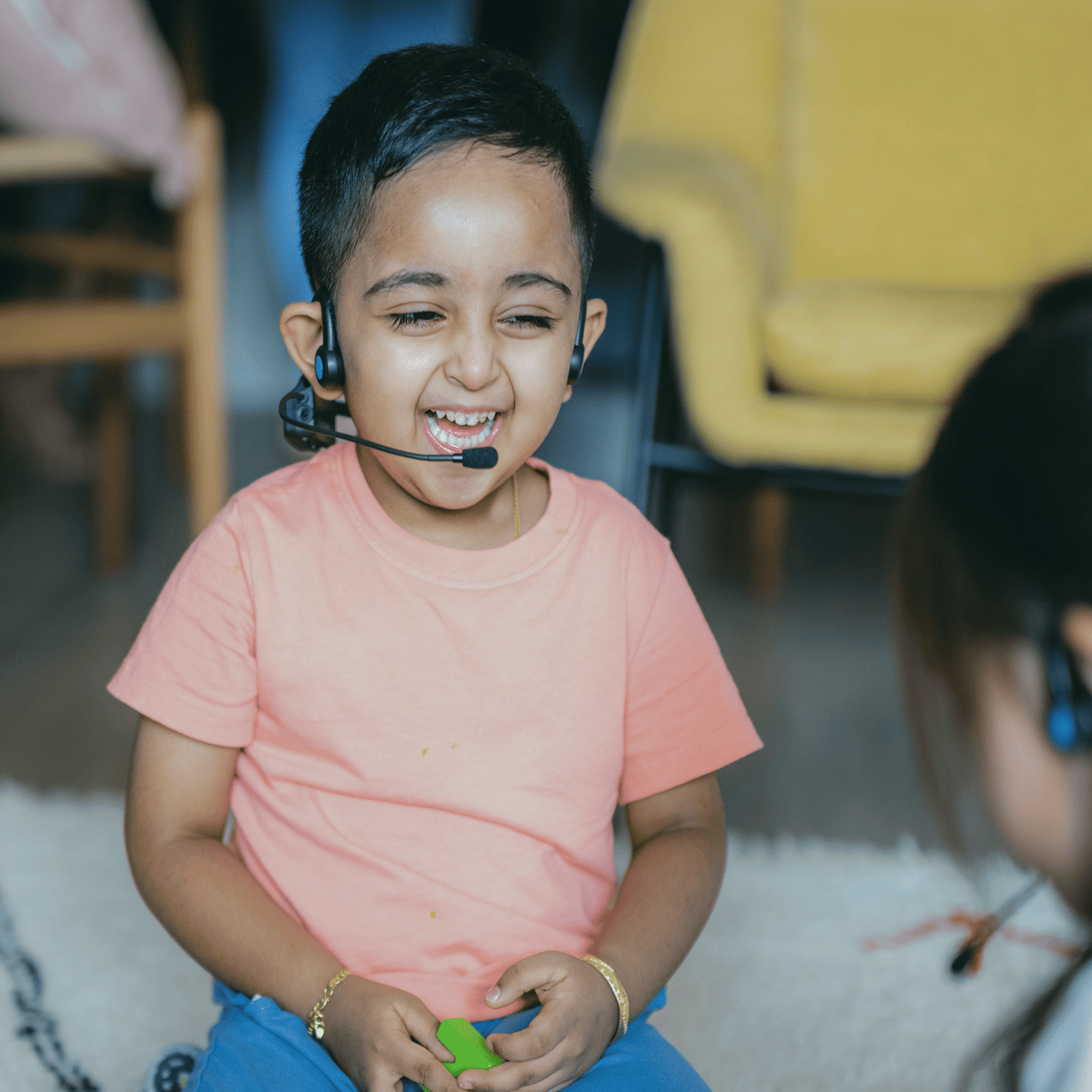
Children can have difficulty learning to read for a variety of reasons. It is important to determine the underlying cause of a child’s struggles in order to find the best way to support them. One such reading disorder is phonological dyslexia.
This article will present the symptoms and challenges associated with phonological dyslexia, as well as ways to offer support.
What Is Phonological Dyslexia?
Phonological dyslexia is a reading disorder that is due to a phonological impairment. A phonological dyslexia definition is characterized by difficulty with phonological processing, which is the ability to identify and manipulate the sounds of language.
Phonological dyslexia, also called auditory dyslexia or dysphonetic dyslexia, is considered to be the most common type of dyslexia.
Why Identifying Symptoms Early Matters
Early identification of phonological dyslexia is important because the earlier we can identify a problem, the sooner we can determine how to help. The symptoms of phonological dyslexia in children have a compound effect because they impact reading development, academic progress, and confidence.
Poor phonological processing inhibits reading development, and reading is a skill that is necessary for all other academic tasks. When children struggle in school, they lack confidence and become discouraged.

Phonological Dyslexia Symptoms
In order to identify phonological dyslexia symptoms early, we need to know what to look for. When a child is struggling to read, watch for these signs of phonological dyslexia.
Early Signs (Preschool & Early Readers)
- Inability to match letters to sounds: Being able to connect letters with their sounds is a foundational reading skill. It involves identifying letters and understanding that each letter or combination of letters represents a unique sound. A phonological dyslexia example would be mixing up sounds associated with specific letters.
- Difficulty rhyming: Unlike children who naturally learn rhymes through songs, poems, and nursery rhymes, children with phonological dyslexia have difficulty identifying rhyming words or creating rhymes.
- Poor phonemic awareness: Phonemic awareness involves hearing, identifying, and manipulating sounds in words. A child with phonological dyslexia will have difficulty with tasks such as blending sounds into words, segmenting words into individual sounds, substituting sounds in words, and adding or removing sounds in words.
- No recognition of sound patterns: Children with poor phonological processing do not recognize sound patterns in stories, songs, and nursery rhymes, such as identifying and coming up with words that start with the same sound (alliteration).
Symptoms in School-Age Children
- Poor spelling: Since children with phonological dyslexia can’t match letters with sounds accurately, they will exhibit frequent spelling errors.
- Difficulty sounding out words: Children may have difficulty sounding out or decoding unfamiliar words. Words that have an unusual spelling pattern are especially tricky.
- Slow and effortful reading: Labored reading is a strong indicator of a reading disorder. Children will often exhibit reading errors and hesitations while reading.
- Poor recognition of words previously read: A child may reread familiar words as if they have never encountered them before, especially in new contexts. This indicates poor word recognition and decoding skills.
- Inability to recognize sound patterns in written words: Children with poor reading skills do not recognize written sound patterns, such as noticing that both “dog” and “log” have the “og” sound.
- Poor reading comprehension: Children with a reading disorder often have difficulty understanding what they read. When a child is unable to read words fluently, they miss out on a lot of the content, making it hard for them to answer questions about a passage or provide a summary.
- Difficulty sequencing information: Reading and spelling are sequential processes, so a sequencing deficit will affect both of these skills. A child with dyslexia may exhibit errors in letter, syllable, or word order.
Symptoms in Teens and Adults
- Avoidance of reading and writing tasks: Because reading is challenging for individuals with phonological dyslexia, they will often avoid reading and writing. These individuals lack confidence and know they aren’t good at it, so they often won’t willingly choose to read.
- Difficulty reading new or complex words: Words and vocabulary get more complex as reading levels increase. However, without a solid phonological foundation, individuals with phonological dyslexia will be unable to decode these more challenging words that may contain new spelling patterns.
- Reliance on memorizing instead of decoding: Decoding words is difficult for someone with poor phonological processing skills. A coping strategy that some teenagers and adults use to get around this is to memorize words so they can avoid sounding them out.
- Poor morphological awareness: Morphological awareness is the recognition of the smallest unit of the smallest units of meaning in language, such as root words, prefixes, and suffixes. One example of phonological dyslexia is a weak reader who will try to sound out each sound in prefixes and suffixes instead of reading them as whole units.
- Difficulty summarizing information: Individuals with dyslexia have to work very hard to decode what they are reading, which can take focus away from the content. In addition, dyslexia can impact working memory, which makes it challenging to efficiently recall and interpret the message.
Common Challenges Associated with Phonological Dyslexia
Besides the reading difficulties that come with phonological dyslexia, there are several other challenges associated with this disorder.
- Spelling difficulties: Children and adults with phonological dyslexia will often exhibit frequent spelling errors. They will be unable to spell common words or spell words as they sound. They may use only one or two letters to spell words with multiple sounds, such as writing “on” for “orange.” They will also struggle to spell irregularly spelled words that have been previously introduced. They may even spell one word different ways on the same page. These individuals will rarely identify or correct spelling errors.
- Poor word retrieval: Adults may have difficulty recalling words they want to say. Instead, they may search for an alternate word or frequently use placeholder or filler words such as “um,” “well,” “uh.”
- Difficulty with spoken language: There is a strong relationship between spoken and written language. For example, phonological awareness is essential for decoding, and a solid vocabulary and understanding of syntax are required to read. Because of this, many children with reading disorders often have difficulty with spoken language.
- Weak phonological awareness: Phonological awareness involves understanding the sound structure of language, including analyzing and interpreting these sounds. Individuals with weak phonological awareness will have difficulty segmenting and blending phonemes, syllables, and words.
- Working memory issues: Phonological working memory involves temporarily storing phonemic information in short-term memory to be used later. Because children with phonological dyslexia have poor phonological processing, they may have difficulty storing or accessing that information.
How Phonological Dyslexia Is Different from Other Types of Dyslexia
While many reading disorders have similarities, phonological dyslexia is different from other types of dyslexia. A child with phonological dyslexia has difficulty processing the sounds of language and connecting sounds to letters.
This leads to difficulty sounding out words. Below are other types of dyslexia and a description of how they compare to phonological dyslexia symptoms.
- Surface dyslexia is characterized by difficulty with whole word recognition. In other words, a child with surface dyslexia can easily sound out words but is unable to recognize sight words.
- Visual dyslexia affects visual processing so that the child’s brain doesn’t receive the complete picture of what the eyes see. This child will not be able to remember what they saw on a page, which leads to difficulty learning to spell.
- Rapid naming dyslexia involves difficulty quickly naming letters, numbers, and colors at sight. This can be due to processing speed and reading speed.
- Double deficit dyslexia is a combination of phonological dyslexia and rapid naming dyslexia. A child with double deficit dyslexia has difficulty with both identifying the sounds in words and with naming speed.
When to Seek Professional Help
If you notice any of the signs listed above in your child and they are becoming discouraged in their reading skills, you don’t have to navigate this alone. A professional evaluation is the best step forward if you have concerns.
A psychologist can test for learning differences, and a reading specialist can assess your child’s needs. A speech language pathologist can also offer support and treatment to improve phonological and phonemic awareness.
In school, these professionals work together to determine your child’s strengths and weaknesses, and come up with a plan to help your child read more efficiently.
Supporting a Child with Phonological Dyslexia
If you suspect your child has phonological dyslexia or they have already received a diagnosis, here are some considerations to keep in mind when providing support.
- Provide structured reading support: An evidence-based method for teaching phonics that is often helpful for individuals with dyslexia is the Orton-Gillingham method. This personalized and structured approach is most effective when implemented by a trained professional.
- Target phonological awareness: Any reading intervention program for children with phonological dyslexia should include this component. Programs such as Heggerty or Kilpatrick offer simple practice activities for improving phonemic awareness.
- Collaborate with your child’s school: Partner with your child’s teacher and special education team, including the reading specialist, psychologist, and speech-language pathologist. All of you should work together to support your child. Your child may need additional support outside of school, but both teams can coordinate their instruction as well.
- Consistent practice: Children with phonological dyslexia need more support in order to read. This means more practice over time. Phonological awareness activities or practice reading aloud should be scheduled frequently.
The Benefits of Using Forbrain for Phonological Dyslexia
Forbrain is an auditory stimulation headset that can be used by individuals with phonological dyslexia. When a child wears Forbrain, they receive auditory feedback that allows them to hear their speech more clearly. This can help a child stay focused and on track during reading instruction. It can also help support auditory processing and retention of information they are reading aloud.
When a child hears their speech more clearly, it helps their brain process and analyze speech sounds, which improves phonological awareness. Forbrain makes a great addition to any reading intervention program for children with phonological dyslexia.
Bottom Line
Children with phonological dyslexia face a challenging and complicated reading disorder. However, with early intervention and appropriate instruction and support, children can overcome these struggles. If you notice any symptoms of phonological dyslexia in your child, seek out a professional evaluation. Your child may need structured support in order to become an effective reader. With consistent practice and an individualized approach, your child can improve not only their reading skills, but their spelling and overall language skills as well.
References
ASHA (Accessed 2026, June 4). Phonological Processing. American Speech-Language-Hearing Association. https://www.asha.org/practice-portal/clinical-topics/written-language-disorders/phonological-processing/?srsltid=AfmBOoqV172mLSrM4K8ZYiyzDqhnl59cfI4_MPDSWTI87tnhOF25Kgh-
ASHA. (Accessed 2026, June 3). Signs and Symptoms of Written Language Disorders. American Speech-Language-Hearing Association. https://www.asha.org/practice-portal/clinical-topics/written-language-disorders/signs-and-symptoms-of-written-language-disorders/
ASHA. (Accessed 2026, June 4). Written Language Disorders. American Speech-Language-Hearing Association. https://www.asha.org/practice-portal/clinical-topics/written-language-disorders/?srsltid=AfmBOorz1-k6qMYqD1dVBWiQnwPY-Lg2ZSeX9MwxJutqhw9Hl3r_G92A
Dr. Sohal, Aman P. S. (2022, August 22). What is Dyslexia? What are Four Types of Dyslexia? Neuro Kids Doc. https://www.neurokidsdoc.com/blogs/what-is-dyslexia-what-are-four-types-of-dyslexia/
Du Plessis, Sue. (2025, August 22). Sequencing Difficulties: A Symptom of Dyslexia. Edublox Online Tutor. https://www.edubloxtutor.com/sequencing-difficulties-symptom-dyslexia/
Learning Lab. (2020, November 18). Understanding Phonological Dyslexia. Learning Lab. https://learninglabfl.com/understanding-phonological-dyslexia/
NeuroHealth Arlington Heights. (Accessed 2026, June 5). What Are the Different Types of Dyslexia? NeuroHealth Arlington Heights.https://neurohealthah.com/blog/types-of-dyslexia/
NeuroHealth Arlington Heights. (Accessed 2026, June 3). What is Phonological Dyslexia? NeuroHealth Arlington Heights. https://neurohealthah.com/blog/what-is-phonological-dyslexia/
Q., Lucas. (2024, October 15). 4 Signs Your Child Might Have Phonological Dyslexia. Kids Up Reading Tutors. https://www.kidsupreadingtutors.com/post/4-signs-your-child-might-have-phonological-dyslexia