


Reading Fluency Activities for Kids: Reading with Accuracy and Expression
 Amanda Unrau
 M.A. CCC-SLP
05/21/26 | Last modified: 07/08/26
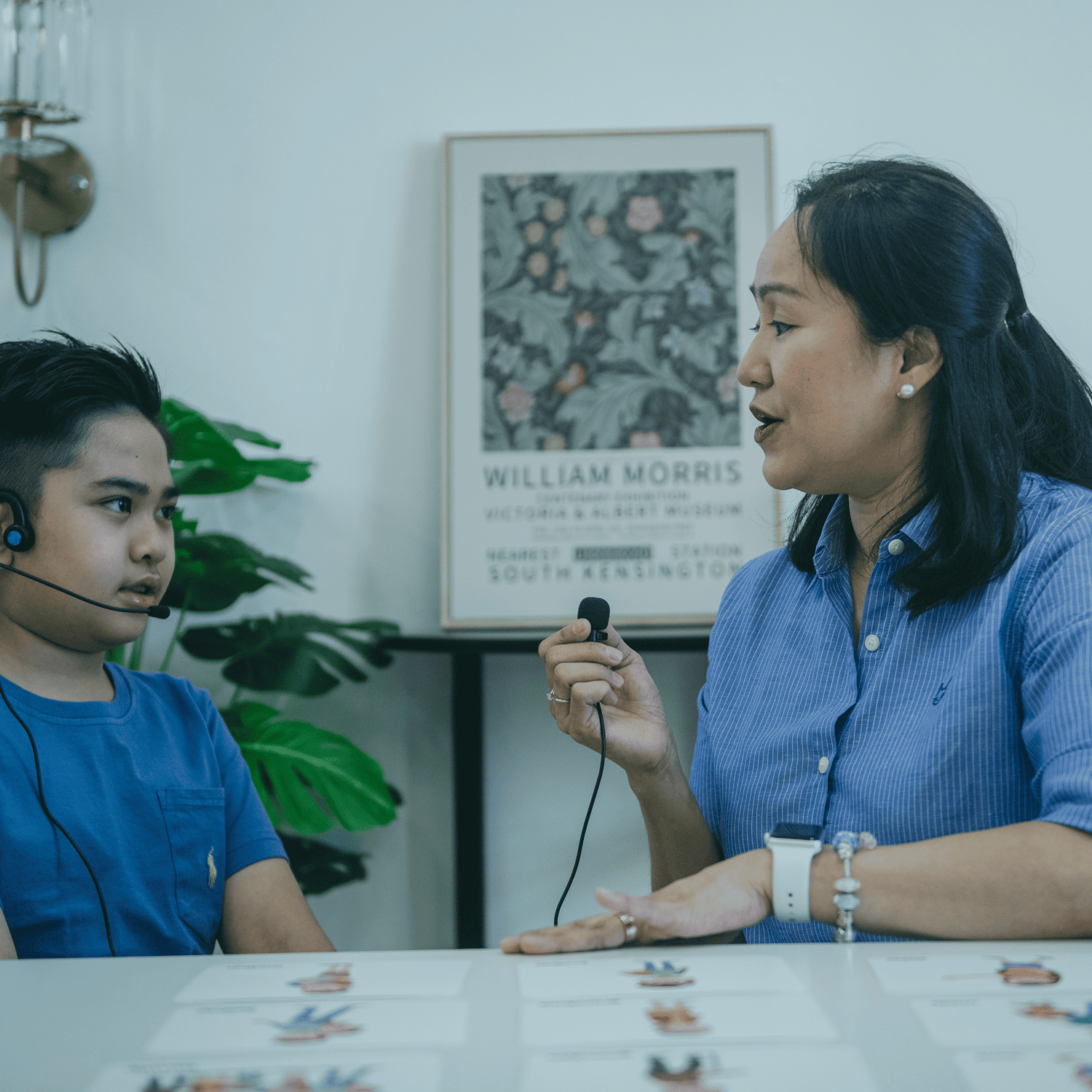
Some children can read individual words, but still struggle to read at a natural pace and with expression. Reading fluency helps children build accuracy, rhythm, and confidence as they read. Below, you’ll find simple reading fluency activities you can try at home or in the classroom.
What Is Reading Fluency?
Reading fluency is a child’s ability to decode accurately and effortlessly at age-level reading rates, with appropriate volume, pitch, and prosody. Reading fluency must also include comprehension since fluent readers need to understand what they read in addition to reading accurately and quickly. Children with reading difficulties, such as dyslexia, have weak reading fluency.
Why Reading Fluency Activities Matter
As with many skills, the best way to improve reading fluency is to practice. Fluency is important because it makes the connection between decoding words and understanding what is read. When a child reads fluently, they don’t have to spend time and energy stopping to sound out each word since they can read the words automatically. Instead, they can focus on the meaning of the text. Children can practice reading aloud in a variety of reading fluency activities.

Reading Fluency Activities to Try at Home and School
Since reading practice is crucial for improving reading fluency, we have compiled this list of reading fluency exercises. To maintain interest and reduce frustration, implement several of these activities for reading fluency with your child.
Foundational Fluency Activities
1. Sight Word I Spy
Turn sight word recognition into a fun game. Tell your child that sight words are hiding all around them. They need to find these sight words everywhere they go. This could be on signs, at the store, on food wrappers, mail, etc. When they see a word they recognize and can read, they can say, “I found you!” or “I spy…”. This word recognition game will give the child a confidence boost and get them excited about reading.
2. Seek and Find Letters
This is a fun game to practice letter naming fluency. Write letters on pieces of construction paper and tape them around the room. Send your child off to find each letter as you call them out. Then have them say the sound that the letter makes.
3. Fly Swat game
This is a simple and effective game to boost sight word recognition. Write words on pieces of paper and tape them on the wall, or write them on a whiteboard or chalkboard. Give the child a fly swatter. Call out a word, and the child has to swat it when they find it. You can also make it a contest between two students and see who can find the word first.
Repeated and Guided Reading Activities
4. Reread Favorite Books
The most effective way to improve reading fluency is to practice reading. You can encourage your child to practice reading if they have access to stories they enjoy. Build a stack of books that your child can read quickly and easily. Encourage them to reread these favorite books over and over again. Every time they read, they may read faster, with more ease, and with more expression and confidence.
5. Audio-Assisted Reading
During audio-assisted reading, children listen to a fluent reader on an audio recording while reading along. Choose a book at the child’s independent reading level, and use a clear recording without music or sound effects. Have the child follow the words as they listen, then reread with the recording until they can read the passage more smoothly on their own.
6. Timed Repeated Readings
The goal of timed repeated readings is to increase accuracy, speed, and expression through repeated practice of a specific passage. Be sure to use books or passages the child has read before that are at an independent reading level. During a one-minute reading, the child reads for one minute, and the adult or peer counts the number of words read correctly in one minute (WCPM). The child then reads this same passage for one minute several times and tracks their WCPM each time. Another way to use this approach is to time the child to see how long it takes them to read a passage.
7. Three-Read Fluency Routine
During this activity, children read a short passage three times and focus on a different aspect of reading each time. For the first reading, accuracy is the focus. The child decodes every word accurately, reading slowly and carefully. On the second reading, the child focuses on the rate by reading smoothly at a natural rate. For the third reading, the focus is on expression. The child reads with appropriate phrasing and emotion.
Partner and Group Reading Activities
8. Partner or Paired Reading
In partner reading, students are paired to take turns reading to each other. A more fluent reader is often paired with a less fluent reader, and the stronger reader provides a model of fluent reading by reading a passage aloud. The weaker reader then reads the same text aloud. This reader keeps rereading the passage until they can do so successfully, with the more fluent reader providing assistance, feedback, and encouragement. Another option is to pair two students at the same reading level to read a passage that the teacher has just read aloud.
9. Choral or Unison Reading
During choral reading, a group of children reads aloud as a group with a fluent adult reader. The book should be at the independent reading level of most students in the group, and it shouldn’t be too long. A repetitive and predictable book motivates children to participate. The adult should first model fluent reading by reading the story aloud. Read the book again and encourage students to join in. Children should read the book with you three to five times until they can read it independently. This does not all have to be done on the same day.
10. Cumulative Choral Reading
In this type of choral reading, students join the reading one at a time or in small groups until the whole group is reading together. This activity works best with poems or repetitive texts. Assign each child or group a line or section of the passage. The first child reads Line 1. The first and second child read Line 2 together. The first, second, and third child read Line 3 together. By the time they reach the end of the passage, all children are reading together.
Expression and Prosody Activities
11. Echo Game
Read a sentence from a book at your child’s reading level. Use appropriate expressions and pauses. Have your child imitate you, and encourage them to use the same expressions and pauses. Do this every few paragraphs throughout the book.
12. Poetry Jam
Reading poetry is a great way to demonstrate rhythm and expression while reading. Nursery rhymes and Mother Goose favorites are great poems to start with. Read the poems aloud, emphasizing the breaks, phrasing, and the sound of the words and rhymes. After you have read the poem several times so that your child is familiar with it, take turns reading it with them. You can read one line or verse, and they can read the next. Focus on maintaining the rhythm of the poem.
13. Guided Oral Reading
After a passage has already been read by children to ensure they can accurately decode each word, an adult reads each sentence aloud one at a time. As the adult reads, they model fluent reading and bring the passage to life with expression. The children reread each sentence as a group, using that same expression. Then the children reread the text quietly on their own.
14. Soundtrack Your Story
Before reading, have your child choose a song or sound that they feel matches the mood of the story. For example, they could pick suspenseful music for a scary story, or happy tunes for a fun or funny scene. Then have your child read the story and match their voice to the music or sounds. During exciting parts, they should read louder and faster. When something surprising happens, they should pause. During a tense moment, they should speak softly and more slowly. This activity shows children how speed and tone change with feelings in a story, and they learn to use punctuation and add drama as they read.
15. Character Swap Challenge
Choose a story that has multiple characters and consists mostly of dialogue, then have your child come up with a voice for each character in the story. An adult can join in, too, and take turns being different characters. Children will learn to recognize how different characters might feel and sound, and how emotion, tone, and speed can change a story.
16. Scooping Phrases
Encourage your child to read in phrases instead of word by word. Choose one sentence, draw curved “scoops” under natural word groups, and model how to read it smoothly with expression. Then have your child trace the scoops with their finger as they read. Once they understand the idea, they can try adding their own phrase scoops.
Engaging and Creative Fluency Activities
17. Reader’s Theater
Reader’s theater gives children the opportunity to rehearse and perform a play. Scripts often come from books with dialogue, and students play a narrator who describes background information or characters who speak. During rehearsals, children have to reread the script with peers and practice fluency.
18. Recorded Reading (Audio/Video)
Children can create their own audiobooks with a tape recorder or audio recording app on a phone or tablet. They will have to practice reading what they want to record. This activity can be motivating, and children may be excited to share these recordings with friends or family.
19. Performance Reading or Fluent Oral Reading
Choose a book or passage with dialogue, repeated lines, or sound effects. First, model how to read it with expression, gestures, and different voices. Then have children practice and perform the passage alone, with a partner, or in a small group.
20. Beat Your Own score Challenge
This activity encourages students to improve their own reading fluency over several days. On the first day, the child does a cold read of a passage they haven’t read before. They record their WCPM (words correct per minute). They reread the passage every day and do a one-time read. They chart their progress and try to beat their previous WCPM. Once the child reaches their goal, choose a way for them to celebrate before moving on to a new passage.
How to Make Reading Fluency Activities More Effective
To see progress and make these reading fluency activities effective, focus on consistency and repetition. The most important factor in improving reading fluency is reading and rereading the same passages. This builds a child’s confidence, which will encourage them to keep going. Encourage your child and model good reading by reading with them, reading to them, and taking turns together.
How to Choose the Right Activities for a Child
When choosing activities for reading fluency practice, consider the individual needs and reading level of your child. Most children will benefit from a variety of activities that target foundational skills, accuracy, and prosody. In any activity, it is important that you select reading passages that are at an appropriate reading level for the child. For most activities where a child will be reading a passage multiple times, the text should be at their independent reading level. This is the level at which they can read the book or passage accurately on their own, which may mean choosing an easier level than you would think. You don’t want your child to become frustrated since they will be practicing frequently.
The Benefits of Using Forbrain to Improve Reading Fluency
Forbrain can be used alongside reading fluency practice to provide additional auditory feedback and support focus during repeated reading activities. It is an auditory stimulation headset that uses bone conduction technology to provide auditory feedback to the user. When a child speaks into Forbrain, they can hear themselves better, which supports the development of reading skills.
A child working on improving reading fluency will practice reading over and over. Wearing Forbrain during this practice will provide another method of feedback and reinforcement. Some families and tutors also use Forbrain during repeated reading practice to provide additional auditory feedback and reinforcement.
Bottom Line
Consistent practice is the key to improving reading fluency. These reading fluency games and activities provide options that can meet the individual needs of students. Consider the reading level and needs of your child, and identify reading fluency exercises that target their accuracy and expression while they read. With repeated practice and your support, their reading will become easier, faster, and more accurate.
References
Andres, Marvi M. (2026, May 10). Reading with Expression: Bringing Stories to Life. Brighterly. https://brighterly.com/blog/reading-with-expression/
Cox, Carole. (Accessed 2026, May 19). Performance Reading. Reading Rockets. https://www.readingrockets.org/topics/comprehension/articles/performance-reading
Pieterse, Louise. (2022, January 22). 26 Sight Word Games for Kids to Practice Reading Fluency. Teaching Expertise. https://www.teachingexpertise.com/classroom-ideas/sight-word-games/
Reading Rockets. (Accessed 2026, May 14). Fluency Matters. Reading Rockets. https://www.readingrockets.org/topics/fluency/articles/fluency-matters
Reading Rockets. (Accessed 2026, May 14). Fluency: Activities for First Graders. Reading Rockets. https://www.readingrockets.org/literacy-home/reading-101-guide-parents/your-first-grader/fluency-activities
Reading Rockets. (Accessed 2026, May 19). Timed Repeated Readings. Reading Rockets. https://www.readingrockets.org/classroom/classroom-strategies/timed-repeated-readings
Reading Universe. (Accessed 2026, May 19). Quick Practice: Reading with Expression. Reading Universe. https://readinguniverse.org/resources/video/fluency/quick-practice-reading-with-expression
Reutzel, D. Ray. (2009, April). Reading Fluency: What Every SLP and Teacher Should Know. The ASHA Leader, 14(5), 10-13. https://doi.org/10.1044/leader.FTR1.14052009.10
Richland, Karine. (2026, April 9). 15 Reading Fluency Activities That Build Confident Readers. Pride Reading Program. https://pridereadingprogram.com/reading-fluency-activities/
Staake, Jill. (2021, December 16). 20 Activities to Support Letter Naming Fluency. We are Teachers. https://www.weareteachers.com/letter-naming-fluency/
Texas Education Agency. (Accessed 2026, May 14). Fluency: Instructional Guidelines and Student Activities. Reading Rockets. https://www.readingrockets.org/topics/fluency/articles/fluency-instructional-guidelines-and-student-activities
This Reading Mama. (Accessed 2026, May 19). Reading Fluency and Phrasing {Using Scooping Phrases}. This Reading Mama. https://thisreadingmama.com/reading-fluency-phrasing/