


What Are the 4 Types of Reading Difficulties? How to Identify Struggling Readers
 Amanda Unrau
 M.A. CCC-SLP
04/16/26 | Last modified: 07/08/26
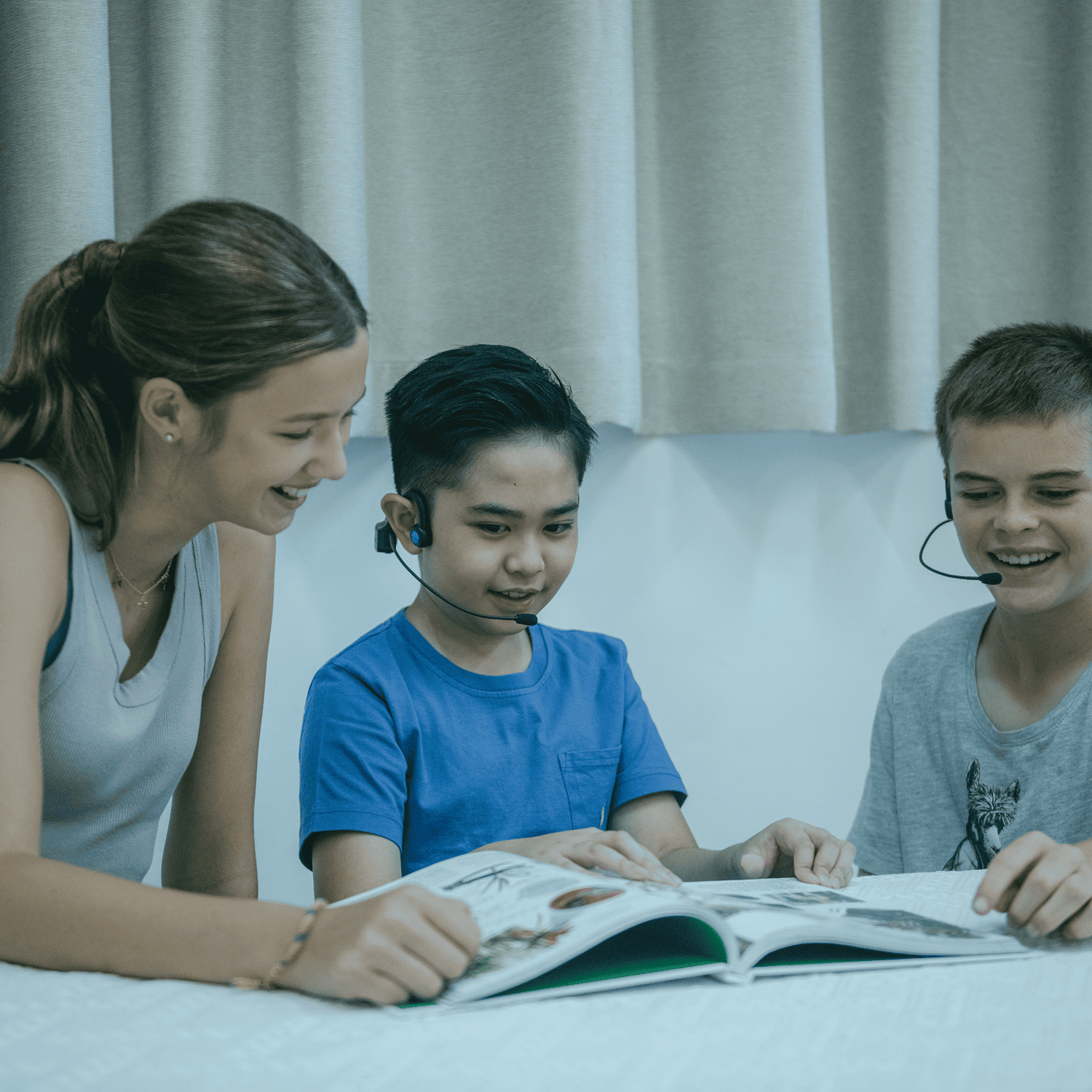
Many children have difficulty reading, but they can struggle with reading in different ways. A child may present with one or more of the four main types of reading difficulties. In this article, you will learn why it is important to identify the type of reading difficulty a child has, as well as what those types are and how to spot them. It is important to remember that reading difficulties do not indicate low intelligence, and children can become stronger readers with the proper support.
Why the Type of Reading Difficulty Matters
It is important to identify the type of reading difficulty that a child is experiencing. Knowing the type of weakness that a child has makes it easier to support them and provide the proper intervention. The earlier a child can be identified with a reading difficulty, the better.
Each child who struggles to read presents with a unique reading profile, and different reading profiles require different support strategies. In addition, similar struggles can result from different causes.
For example, children who have difficulty with fluent word recognition and sounding out words often have a weakness in phonological processing, while children who have accurate word recognition but are slow readers may have a weakness in processing speed but do well with phonological processing.

What Are the 4 Types of Reading Difficulties?
The different types of reading difficulties that children may exhibit are dyslexia, hyperlexia, mixed reading difficulties, and compensatory reading. These reading difficulties differ based on whether children struggle with decoding or comprehension. This next section outlines the characteristics of each type of reading difficulty.
1. Dyslexia
Dyslexia is the most common cause of reading difficulties. It is characterized by difficulty recognizing, decoding, and spelling words. These areas of weakness are caused by underlying phonological processing deficits.
2. Hyperlexia
Hyperlexia is a reading disorder characterized by strong decoding but weak comprehension. A hyperlexic child may begin reading at an early age and at a higher level than peers, but this child may struggle to understand speech. This child can read passages fluently but may be unable to tell you anything about what they read. This demonstrates the difference between reading words versus understanding the meaning of those words.
3. Mixed Reading Difficulties
A child who has mixed reading difficulties struggles with both decoding and comprehension. It is easier to identify these students as having a reading disorder because they have no area of strength to rely on. Because of this, a student with a mixed reading difficulty will very noticeably struggle with reading.
4. Compensating Readers
Compensating readers have a hidden reading difficulty that can be difficult to identify. They develop their own ineffective reading skills to get by for a while, but end up plateauing. Compensators have strong language skills that don’t match their reading comprehension skills and mask decoding issues.
Their reading comprehension skills may be average, but much lower than their language skills or overall intelligence, because reading requires so much effort. Students with this type of reading disorder often fly under the radar until about third grade, when their poor reading skills catch up to them as reading demands increase.
Signs of Different Types of Reading Difficulties in Children
Reading difficulties don’t all look the same. Depending on the type, the signs can vary quite a bit. Here’s what to look for in each profile.
Dyslexia
- Reads very slowly due to decoding struggles
- Difficulty with spelling
- Struggles with rhyming due to weak phonological processing
Hyperlexia
- May teach themselves to read, but have poor comprehension skills
- May prefer books to other activities
- Can excel at spelling long words
- Often very interested in letters, numbers, languages, fonts, anatomy, and geography
Mixed Reading Difficulties
- Struggles to both decode and understand what they read
- Typically easy to identify because of this combined difficulty
- Often struggles across multiple academic areas at school
Compensating Readers
- Often difficult to identify until older grades
- Good at guessing and using context clues due to strong language skills
- Reading is extremely labor-intensive despite appearing capable
- Has deficits in phonemic awareness
- Often a poor speller
When to Seek Extra Support for a Child
A child who is identified as having one of these types of reading disorders often needs extra support. When traditional classroom teaching methods are not effective, no or minimal reading progress is being made, and the child is becoming increasingly frustrated, parents may need additional ways to help a child with reading difficulties, including a targeted reading intervention program.
The Benefits of Using Forbrain to Help a Child with Reading Difficulties
Forbrain, which is an auditory stimulation headset, supports individuals with different types of reading disabilities. This device utilizes bone conduction technology to enhance the auditory feedback loop. This helps to improve various aspects of communication, including reading skills, because children can hear their own speech when reading aloud more clearly. This can help children focus, boost their auditory processing skills, expand their vocabulary, improve reading comprehension, and, in turn, boost their confidence.
Bottom Line
It is not uncommon for children to struggle with reading, but not all struggling readers are the same. Learn the signs of the different types of reading disabilities and know when to reach out for additional support. Identifying and understanding the type of reading difficulty a child has helps to guide their support and intervention.
References
Hildebrand, Katelyn. (2022, June 23). The Science of Reading: Overcoming Reading Difficulties. Katelyn’s Learning Studio. https://katelynslearningstudio.com/the-science-of-reading-overcoming-reading-difficulties/
Keep Reading and Learning. (2023, May 21). Orthographic Mapping: How Compensating Readers Fall Through the Cracks. https://keepreadingandlearning.com/struggling-readers-orthographic-mapping/
Moats, Louise & Tolman, Carol. (Accessed 2026, April 3). Types of Reading Disability. Reading Rockets. https://www.readingrockets.org/topics/struggling-readers/articles/types-reading-disability
Pereira, Michael. (Accessed 2026, April 3). Four Types of Reading Disorders – Key Signs to Look Out For. The Autism Voyage. https://theautismvoyage.com/types-of-reading-disorders/
Scottish Rite Foundation. (2025, October 7). The Different Reading Disabilities Explained. Scottish Rite Foundation. https://www.casrf.org/post/the-different-reading-disabilities-explained