


How to Homeschool Your Kids
 Charlotte Witts
 SLP
07/14/26 | Last modified: 09/22/26
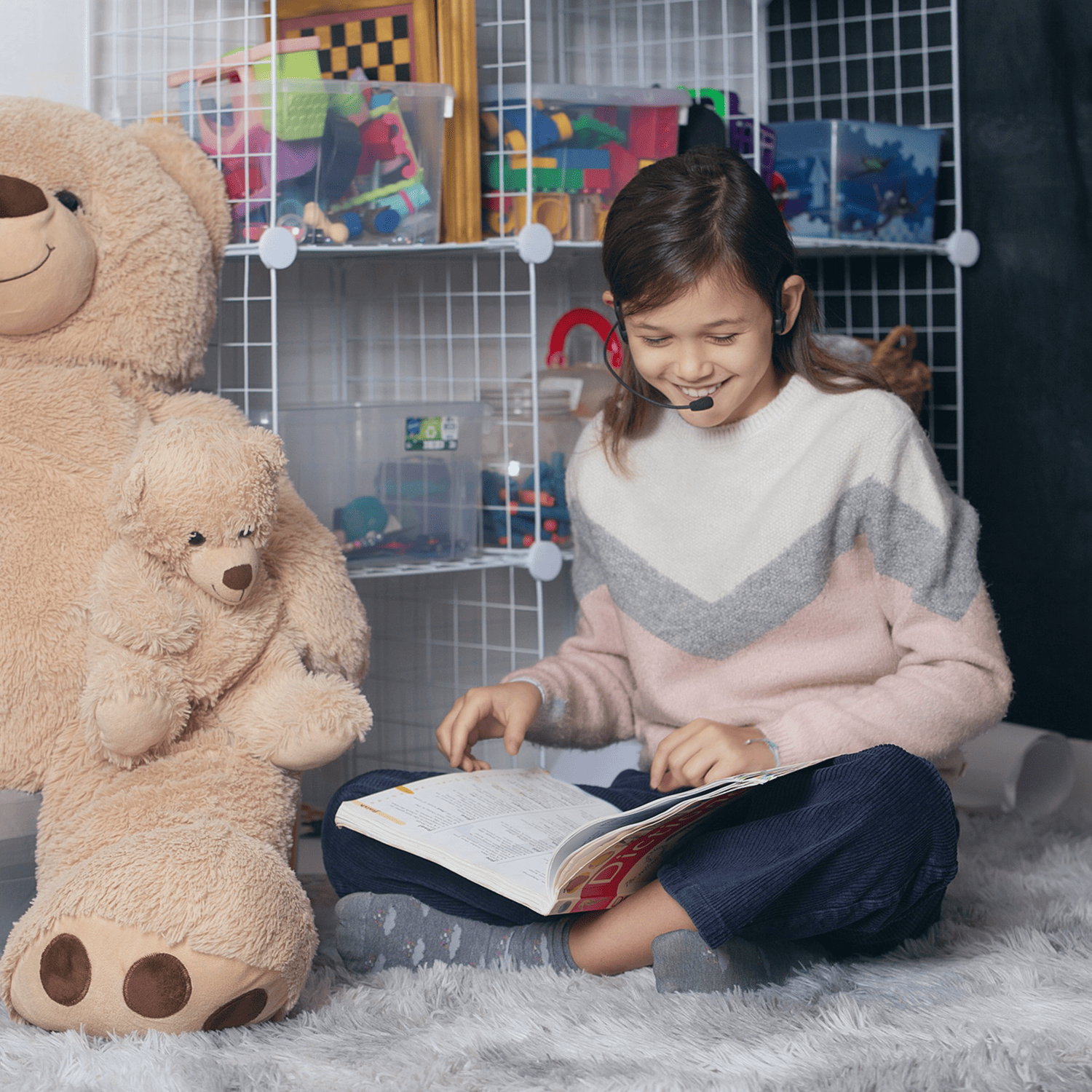
More parents are choosing to homeschool than ever before. They want a flexible way to teach that fits their child’s needs.
If you’ve ever asked, “How do I homeschool?”, “How do you homeschool?”, or “How do I homeschool my child?” you’re not alone. I asked the same questions when I started. As a former homeschooling parent, I know how overwhelming it can feel. It’s normal to feel this way, especially if you’re new to homeschooling.
Homeschooling is not about copying a classroom at home. It is not about strict timetables or endless worksheets. It is about giving your child an education that works for them. You can teach at their pace. You can follow their interests. You can build on their strengths. You can help them learn in ways that traditional classrooms often cannot.
Many parents choose homeschooling because they want more freedom. They want to spark curiosity and build confidence. They want learning to fit their child’s learning style and unique needs, not the other way around.
I’m here to show you that you can do this. You do not need a teaching degree. You do not need a big budget. You do not need to have everything planned before you begin.
There is no single right way to homeschool.
In this guide, you’ll learn how to homeschool your kids and how to get started. I’ll show you how to choose a curriculum and help your children make friends. You’ll also learn how to avoid common mistakes, save money, and make homeschooling less stressful. By the end, you’ll feel confident and ready to begin.
What Does Homeschooling Mean?
If you’re wondering how to homeschool your kids, start with the basics. Homeschooling means your child learns at home instead of at school.
There is no single way to homeschool. Some families follow a structured curriculum. Others take a more flexible, child-led approach. Both can help children enjoy learning and reach their full potential.
One of the biggest benefits of homeschooling is flexibility. You can teach at your child’s pace. You can follow their interests and support their needs. Every family does things differently, and that’s okay. The best approach is the one that works for you.
Parents or guardians usually lead the learning. Some families also use tutors, online classes, or homeschool co-ops for extra support.
Is Homeschooling Right for Your Family?
Start by asking one simple question: Is homeschooling right for your family?
It’s not the best choice for every family, and that’s okay. It depends on why you want to homeschool, how much time you have, and the support you can get.
It may be a good fit if you want more freedom. It gives your family more time together. It also gives your child the freedom to learn at their own pace and explore what they enjoy. It can also be a good choice if your child has extra learning or health needs. Many families homeschool to build their child’s confidence, curiosity, and love of learning.
Families who enjoy travel often love homeschooling. You don’t have to stop learning when you travel. You can take it with you.
Of course, there can be challenges. Homeschooling takes time and patience. It can be harder if you’re unwell, need extra support, or don’t want to teach your children every day.
Remember, homeschooling doesn’t have to be forever. You can try it for a few weeks or a few months. If it isn’t the right fit, you can usually send your child back to school.
Can You Homeschool Your Kids?
Before you start homeschooling, check the laws where you live. Homeschooling is legal in many countries, but the laws can vary.
Some places give families the freedom to choose how they homeschool. Others ask parents to register, follow a curriculum, and keep records.
In some countries, homeschooling is heavily regulated or not allowed. Check the laws before you take your child out of school. Once you know the rules, you can homeschool with confidence and avoid problems later.
How to Start Homeschooling
Deciding to homeschool can feel overwhelming. You may ask yourself, “Is this the right choice for my child?” or “Am I qualified to teach them?” You may even worry about getting it wrong.
These are normal questions. Most homeschooling parents ask them at the start. I know I did. I thought I had to get everything right before I started. The result? I ended up feeling stressed and overwhelmed.
The truth is, you don’t need to have everything figured out on day one. You don’t need to create the perfect homeschooling experience. Be kind to yourself and take one step at a time.
As you learn, you can adapt your approach to suit your child’s pace, interests, and learning needs. You’ll also grow in confidence. Homeschooling isn’t about copying school at home. It’s a flexible way to learn where your child can thrive, and your family can learn together.
Check Your Local Homeschool Laws
Start by checking your local homeschooling laws. These can vary from state to state and even between local areas. In some places, homeschooling is legal with few rules. In others, it may have strict regulations.
If homeschooling is allowed, you may need to do the following:
- Submit a letter of intent to your school district
- Register with your state or school district
- Undergo periodic checks or assessments
- Teach specific subjects
- Keep detailed records
- Create a portfolio of your child’s work
- Teach in a specific language
Understand Why You Want to Homeschool
Why do you want to homeschool? Think about your answer.
Your reason matters. It will help you make the right choices for your family and support your child’s learning.
Some parents homeschool because school isn’t meeting their child’s needs. Others want more time together or the freedom to travel. Some want a more flexible way to learn. Others have a child with extra learning or health needs.
Whatever your reason, take time to think about it before you start. It will help you choose an approach that works for your family and prepare you for the challenges ahead.
Set Learning Goals
Next, consider what you want your child to achieve over the coming months. This can include:
- Improving their reading or math skills
- Offering more real-life or hands-on learning
- Reigniting their curiosity and love of learning
- Building their social skills
- Encouraging more independence and self-confidence
- Teaching them key life skills
Use this information to guide your first month or two of learning at home. Keep it simple and don’t try to replicate a traditional classroom. This is one of the quickest ways to burn out.
Instead, keep it small, achievable and enjoyable for your child.
Choose a Homeschooling Style
The next step is choosing a homeschooling style that works for you and your family.
Some prefer a flexible approach that meets the child’s needs and interests, whereas others prefer a more structured approach. Some even take a hybrid approach, blending different homeschooling styles to meet their child’s unique needs and interests.
Luckily, there isn’t a right or wrong way to homeschool, so you can take your time considering how you would like your child to learn and what works best for them. Here are a few of the most common approaches.
- Traditional homeschooling: a structured curriculum, planned lessons, textbooks, and regular assessments.
- Charlotte Mason: a focus on curiosity and critical thinking, including high-quality literature, nature study, narration, and short, focused lessons.
- Montessori-inspired learning: encourages children to learn independently with hands-on activities, exploration, and self-directed discovery.
- Classical education: learning is organized into developmental stages and focuses on history, language, logic, and critical thinking.
- Unit studies: multiple subjects are learned around a single topic or theme to provide a holistic approach to education.
- Online or hybrid homeschooling: a combination of virtual classes, digital courses, online activities, and home learning for flexibility and support.
- Unschooling: a child-led approach that follows your child’s interests and everyday life.
Take your time to explore these different approaches to homeschooling and consider what would be a good fit for you and your family.
Choose Learning Resources for Your Homeschool
Now that you’ve chosen a learning style, it’s time to choose your learning resources.
Join a Homeschooling Community
I highly recommend joining a local homeschool group. Other homeschooling families can share advice, support, and learning ideas. Many groups also share resources, run classes, and organize activities for children.
Choose a Curriculum
Many companies sell ready-made curricula that you can use straight away. You can choose from secular and faith-based options. Before you buy, look for free samples. They can help you decide what works best for your child.
Visit Your Local Library
Your local library is one of the best homeschooling resources. You can borrow books, use learning materials, and join free events. It’s an easy and affordable way to support your child’s learning.
Try Online Courses
Online learning platforms like Outschool can be a great addition to your homeschool. My son loved his creative writing, personal development, and photography classes. His teachers kept him inspired and excited to learn.
Use Digital Resources
There are many free and low-cost digital resources to explore. Documentaries, apps, podcasts, and TV shows can help your child learn and stay curious.
Start small. Try a few free resources first. As you learn what works for your family, you can add more over time.
Create a Simple Plan for the First Month
Start by planning just the first month of homeschooling. You don’t need to plan everything at once. Trying to do too much can leave you feeling stressed and overwhelmed.
Keep things simple. Create a daily routine that works for your family and keeps your child’s needs at the center.
Think about how you want to spend your days together and what you want your child to learn. Make time for reading, outdoor play, and hands-on activities. Start with a few core subjects, such as English, Math, and Music.
If your local homeschooling rules are strict, you may need a more structured plan. Check what your child needs to learn. Also check whether your state or district gives you time to settle into homeschooling.
Leave room for flexibility. Make time to meet other homeschooling families and join local activities. You’ll meet other families, make friends, and get support when you need it.
What Do You Need to Homeschool Your Child?
Getting started with homeschooling is much easier than you might expect. You don’t need a fancy classroom, an expensive curriculum, or lots of equipment. In fact, you can get started with whatever you already have at home.
1. Understand Your Local Homeschooling Laws
Start by checking the homeschooling laws where you live. Find out what you need to homeschool your child. Some states have strict rules. You may need to follow a curriculum, keep records, and save your child’s work. Others give families much more freedom.
2. Gather Your Learning Supplies
You don’t need much to start. A few notebooks, pencils, art supplies, and books are enough. Most homes already have these things, so you shouldn’t need to spend much money.
3. Create a Simple Record-Keeping System
You’ll also need a simple way to track lessons and your child’s progress. A notebook or spreadsheet is often all you need.
4. Create a Calm Learning Environment
A quiet corner of your home is usually all you need for learning. There’s no need for a dedicated classroom.
5. Build Community
Everyone needs a support network. Connect with local homeschool groups, co-ops, libraries, or local community programs. They can offer advice, support, and a chance for your child to make friends. Homeschooling is much easier when you don’t have to do it alone.
How Much Does Homeschooling Cost?
Homeschooling can cost as much or as little as you choose. It depends on your budget, your homeschooling style, and your child’s needs.
You don’t have to spend much. Many families spend less than $300 a year by using free and second-hand resources.
If you buy a full curriculum, pay for online classes, or hire a private tutor, your costs will be higher. Many families spend between $1,000 and $2,500 a year.
You may also need to budget for a computer, internet, apps, sports, field trips, and memberships.
Homeschooling doesn’t have to be expensive. The most important thing is choosing resources that suit your child and fit your budget.
What Subjects Should You Teach When Homeschooling?
Most homeschooling families teach the same core subjects, and I recommend doing the same. Start with the basics and adapt your teaching to suit your child.
Language Arts
Language arts include reading, writing, spelling, grammar, and vocabulary. These skills help your child communicate, think, and learn.
Mathematics
Math doesn’t have to stay on paper. Cooking, shopping, and measuring are all great ways to practice math skills. As your child grows, you can introduce topics like algebra and geometry.
Science
Science helps your child understand the world around them. You might explore nature, biology, chemistry, or physics. You can explore science at home, online, or with other homeschooling families.
Social Studies
Social studies teaches history, geography, civics, and different cultures. It helps your child understand the world and their place in it.
Physical Education
Movement is an important part of learning. Sport and exercise help children build skills, stay healthy, have fun, and make friends. This could include team sports, swimming, hiking, bike rides, outdoor play, or athletics.
Arts and Creativity
Creativity often gets less attention at school than academic subjects. Homeschooling gives your child more time to explore their creativity, imagination, and self-expression.
Life Skills and Financial Literacy
Homeschooling also gives you time to teach important life skills. This can include cooking, budgeting, time management, and digital skills. These skills help your child become more confident and independent.
How to Homeschool Your Child by Age
Homeschooling is flexible and can change over time. As your child grows, their needs, interests, and independence will change too. Your approach should change with them. After all, what works for a 5-year-old may not work for a teenager! These learning stages can be broadly divided into the following:
Preschool and Kindergarten
At this age, learning should be play-based. This helps your child build curiosity and a love of learning. Keep activities short, around 10 to 20 minutes. Try stories, songs, crafts, counting, colors, and outdoor play. Learning will be mostly guided by you.
Elementary School
Your child can now focus for longer and learn the basics of reading, writing, and math. Keep learning fun with hands-on projects that build confidence and independence. Learning will still be guided by you and can include subjects like science and history over time.
Middle School
Middle school children are more independent and can take on more challenging work. They can set goals, explore their interests, and become more independent.
High School
Many parents worry about homeschooling through high school, but it can work well. At this stage, students should become independent learners and prepare for adulthood. They can explore online courses, advanced classes, or apprenticeships. Learning is usually student-led.
How Many Hours a Day Should You Homeschool?
It might surprise you to know that you don’t need to teach your child for 6 hours every day when you homeschool. Homeschooling is often more flexible and takes less time than traditional school.
Learning time varies by age. Young children may need 1 to 2 hours a day, while older students may need more. This depends on their workload, learning style, and local requirements.
Learning happens all day, not just during lessons. Reading, hobbies, and conversations all help your child learn. Focus on meaningful learning, not the clock.
What a Typical Homeschool Day Looks Like
If you’re wondering how to homeschool your kids, know that every day can look different. It depends on the age of your child, their learning style, and your daily rhythm.
A typical Kindergarten homeschool day will include plenty of play activities. This might include story time, outdoor play, counting, and crafts.
Elementary children can continue these activities while becoming more independent. They will likely read on their own and explore creative projects. They can also do simple science experiments and socialize with their homeschool group.
By middle school, students are usually more independent learners. They spend more time on core subjects, writing, research, and their own interests.
In high school, the day is often more structured. Students may focus on independent study, advanced coursework, and preparing for the future.
The key is creating a routine that balances learning and real life. Socializing, hobbies, sports, and breaks are important too. Aim to be flexible enough so that you can follow your child’s interests when the opportunity arises.
How to Choose the Right Homeschool Curriculum
Perhaps one of the most challenging parts of homeschooling is choosing a curriculum.
Choosing a curriculum can feel overwhelming. It often feels like the decision that will make or break your homeschool. But this isn’t true. There is no perfect curriculum, only what best fits your homeschooling family right now. Here are a few tips to help you choose.
1. Consider the Needs of Your Child
Ask yourself the following questions to help you find a good fit for your family.
- What is my child’s learning style?
- How do they feel about textbooks and worksheets?
- How long can they focus for?
- Do they prefer hands-on activities, discussion, and visual materials?
- Do they have any special learning needs?
2. Decide on Your Homeschool Approach
What homeschooling approach do you want to take? If you prefer structure, it’s worth looking into one of the many popular curricula available. You can also choose flexible approaches like religious, secular, literature-based, or unit studies. Once you have done this, choose your top 3 priorities.
3. What Is Your Teaching Style?
A ready-to-use curriculum can help if you want more structure. If you travel often, online learning may be a better option.
4. What Is Your Budget?
You don’t need a big budget to homeschool, but it helps to plan your spending. Consider the cost of curriculum, books, subscriptions, and other resources before you decide. Look for free samples, buy used materials, borrow from friends, and sell items you no longer need. This will open up your options while keeping the cost low.
5. Would You Prefer Book-Based, Life-Based, or Online Lessons?
Finally, decide if your child will learn online or offline and how you want to use your curriculum. Some programs provide everything in a box, while others offer all resources online. Whatever you choose, start by narrowing down your selection to just three options. Then download free samples, borrow a copy from a homeschooling friend, and see if it works for your family. Whatever you do, don’t make an impulse decision. Sleep on it before you decide!
Homeschool Teaching Tips for Parents
After homeschooling through every stage, I’ve learned that perfection isn’t the goal. Some days will go smoothly, and others will be more challenging. That’s completely normal. Successful homeschooling families don’t have perfect plans or curricula. They’re the ones who stay flexible, keep learning, and adjust as they go. Here are some ‘how to homeschool’ tips that I wish someone had shared with me when we started.
- Give yourself time to ‘de-school’. Don’t rush into full-time lessons, especially if your child has left school. Instead, take a few weeks to settle in, find your routine, and reconnect with your children.
- Start small. Don’t try to create the ‘perfect’ homeschool from day one. Start with core subjects, review what is working, then gradually build from there.
- Follow a rhythm, not a rigid routine. If you create an hour-by-hour schedule, you will likely feel frustrated and overwhelmed. Focus on creating a rhythm or flow through the day instead.
- Read together every day. Whatever your child’s age, reading together supports learning, creativity, and your connection.
- Get outside every day. We all need more time outdoors. It boosts motivation, improves health and focus, and helps your child burn energy!
- Follow your child’s interests. Use your child’s interests, like space, dinosaurs, baking, or music, to teach other subjects. They will be more engaged and excited to learn when lessons connect to what they love.
- Plan one week at a time. You don’t need to map out the entire year before you begin.
- Prepare for tomorrow the night before. Whether you have lessons or other activities planned for the next day, take time to prepare before bed. This will save time and stress the next day.
- Keep lessons short. Again, don’t try to recreate the traditional school experience at home. Keep lessons short and stop before your child feels frustrated or tired. This is especially true if your child has ADHD like mine.
- Teach one new concept at a time. Never overwhelm your child with lots of new concepts and tasks. Keep it simple and focus on one thing at a time, especially if they are young.
- Remember that everything is learning. Use everyday moments to teach. Shopping, cooking, and travel can all become learning experiences. Look for these opportunities and use them whenever you can!
- Include hands-on learning. Whenever possible, include activities that get your children physically involved. Hands-on learning is often more effective and more fun than worksheets.
- Encourage independence. As your child grows, let them take more control of their learning and explore their interests. This will help your children thrive and become lifelong learners.
- Celebrate effort, not just results. Always encourage your child and praise their effort, not just their results. This helps build confidence and teaches them to keep going when things are hard.
- Keep simple records. Even if you don’t need to keep records or create a portfolio, I highly recommend you do so. You never know when you might need it or want to be nostalgic. Save photos, worksheets, and projects in a folder or digital portfolio.
- Review your progress regularly. If homeschooling is becoming stressful or something isn’t working, change it. Homeschooling is flexible for a reason.
- Ask for help when you need it. You don’t need to do it all alone. Connect with other homeschool parents, co-ops, tutors, and online communities for extra support.
- Be kind to yourself. Don’t expect yourself to be perfect or have everything figured out.
How to Homeschool More Than One Child
One of the questions I get asked most about homeschooling is, “How do I homeschool all my children at the same time?”
It can feel like a lot when your children all have different needs. But you don’t need to teach every child separately or juggle everything at once.
Choose one topic, like butterflies or volcanoes, and let each child learn at their own level. A younger child could make a butterfly craft, while an older child could study its life cycle.
It also helps to include independent work in your day. This gives you time to work one-on-one with each child while they practice skills at their own level.
When homeschooling multiple children, group them by ability or interests, not just age. Every child learns differently, and shared projects can help everyone learn together.
How to Support Socialization When Homeschooling
One of the biggest concerns parents have about homeschooling is socialization. Will they still make friends, spend time with others, and build social skills?
This is one of the biggest myths about homeschooling. Children don’t learn social skills by sitting in a classroom all day. They learn by interacting with others through play and activities. Homeschoolers can enjoy all of these, too.
You do need to be intentional, though. If you’ve followed my advice so far, you’ve already found a local homeschool group or co-op. Check if they offer regular events where your children can meet others and make friends.
Sports, music lessons, and clubs are also great ways to meet new people and build friendships.
Remember, socialization is not just about spending time with children the same age. It’s about learning to communicate and feel confident around people of all ages.
How to Homeschool a Child With Learning Differences
Homeschooling can make a big difference for children with different learning needs. This can include ADHD, dyslexia, autism, speech or language challenges, and sensory processing disorders.
You can adapt learning to suit your child’s needs instead of forcing them to sit still or learn in one way. You can also make lessons shorter, more active, and more hands-on to help your child stay engaged.
My own son has ADHD and struggled to sit still and focus in a classroom. He also hated worksheets. By adding multisensory activities and shortening lessons, he soon started to make progress. In fact, he started to love learning!
Homeschooling gives you time to focus on tricky topics and move forward at your child’s pace. This flexibility helps you support your child’s learning at every stage.
Remember, you don’t have to do it all alone. Get support from speech therapists, occupational therapists, and other professionals when needed.
Common Homeschooling Mistakes to Avoid
What is the biggest mistake new homeschooling parents make? It’s trying to create the perfect homeschool from the start. I understand the temptation. I felt it too. Give yourself permission to start small and learn as you go. Here are some of the most common mistakes and how to avoid them.
- Trying to replicate school: Don’t aim for 6-hour days, desks, rigid timetables. You don’t need long lessons. Homeschooling allows for shorter, more focused learning.
- Buying too much curriculum: Avoid buying lots of curriculum before you know what works for your family. You can always add more later.
- Forgetting socialization and fun: Make time for fun, friendship, and real-life experiences. Remember, your child learns all the time, whatever they’re doing. Encourage their hobbies, join local groups, and step out of your comfort zone when needed.
- Comparing yourself to others: You may hear many opinions about the best way to homeschool, but there is no single right approach. While it’s helpful to learn from others, avoid comparing your homeschool to theirs. It only leads to negative thoughts and confusion. Do what is right for your family and their learning needs.
- Sticking to the same routine or teaching method when it isn’t working: Homeschooling gives you the freedom to adapt, so take advantage of it. If something isn’t working, pivot and think about what approach you can take instead.
- Not keeping records: A simple record system from the start will make things much easier later.
Homeschool Resources for Beginners
When deciding how to homeschool your kids, explore the many great resources available.
Local libraries, museums, community groups, and homeschool groups can offer great support. Many online resources can really support your homeschooling too. These range from YouTube channels and online classes to podcasts and curriculum reviews.
My advice is to start with just a few trusted resources rather than trying to use everything at once. You can always add more as your confidence grows.
My Favorite Homeschool Resources
Educational Websites
Youtube
Online Classes
Podcasts
Curriculum Reviews
How to Know If Homeschooling Is Working
It’s easy to find out if homeschooling is working for your child. Simply notice their mood and attitude towards learning. Consider the following:
- Is your child learning?
- Is your child becoming more confident?
- Are they curious, engaged, and happy to learn?
- Can they complete more tasks independently and take responsibility for their work?
- Does learning feel calmer and less stressful than it did before?
It’s a good idea to keep simple goals and review them every few months to track your child’s progress. If you notice that something isn’t working, you have the freedom to change your approach.
When to Get Extra Help
If you are concerned about your child’s progress or feel stressed or overwhelmed, make sure you ask for help. Homeschooling doesn’t mean doing everything on your own, and no one will judge you for asking for help.
I successfully homeschooled as a working single mom, but I still needed help at times. This included babysitters, online teachers, and support from my local homeschool group.
You can also get support from specialists if your child needs extra help. Speech therapists and educational psychologists can make a huge difference if needed.
Don’t forget other homeschool parents. They’ve been through similar challenges and can offer support and guidance. Asking for help isn’t a sign you’re failing. It’s often one of the best decisions you can make for your child and yourself.
Frequently Asked Questions
Do I Need a Teaching Degree to Homeschool?
No, usually you won’t need a teaching degree to homeschool, and most homeschooling parents don’t have one. Your attitude, willingness to learn, and ability to adapt are key here. Always check your local homeschooling laws to find out your requirements.
Can Homeschooled Children Go to College?
Yes! Homeschooled children regularly attend college and universities. In fact, many educational establishments view homeschooling favorably. Colleges often review transcripts, portfolios, and activities instead of regular school reports.
Can I Homeschool My Child if I Work Full-Time?
If you’ve been asking yourself, “How do I homeschool my child if I work full-time?” The answer is yes. Many families homeschool while working full-time by sharing teaching responsibilities or getting extra help. That said, it requires planning, flexible schedules, independent study time, and plenty of energy!
How Do I Start Homeschooling in the Middle of the School Year?
If you want to start homeschooling, you can usually begin at any time. Check your local homeschooling laws, withdraw your child from school, and begin learning. Start with a simple plan and dedicate time to de-schooling before learning starts.
Can Homeschooled Children Participate in Sports?
Of course. Homeschooled children can take part in sports, just like other children. Contact your local clubs, leagues, and homeschool groups to find out more.
Is Homeschooling Expensive?
Homeschooling can be as expensive or affordable as you want it to be. To save money, use free resources from libraries, homeschool groups, and online platforms. You can also buy used curricula and swap resources with other families.
How Do I Homeschool My Child With Learning Difficulties?
Homeschooling can make a real difference for children with learning difficulties. It allows flexibility, so you can adjust your teaching style, lessons, and pace to suit your child’s needs.
Bottom Line
No matter how you choose to homeschool your child, the goal isn’t to recreate school at home. It’s to create a learning environment where your child can grow and thrive.
Every family finds its own homeschool rhythm over time. You’ll learn what inspires your child’s curiosity and what works best for your family.
This is a learning experience for you, too. Start simple. Be kind to yourself. Use the flexibility of homeschooling to adjust as your child grows. If you need support, reach out to your local homeschool community. You don’t have to do this alone.
Find a balance, adapt learning to your child’s needs and interests, and make time for friends and fun. Learning happens everywhere, not just in a classroom.
Most of all, enjoy homeschooling. It’s a time you’ll never forget.
References
Cook, K. B., Bennett, K. E., Lane, J. D., & Mataras, T. K. (2013). Beyond the brick walls: Homeschooling students with special needs. Physical Disabilities: Education and Related Services, 32(2), 98-111. https://doi.org/10.14434/pders.v32i2.12997
Home School Legal Defense Association. (n.d.). HSLDA: Making homeschooling possible. Retrieved July 8, 2026, from https://hslda.org/
Ray, B. (2025, January 27). Research facts on homeschooling. National Home Education Research Institute. https://nheri.org/research-facts-on-homeschooling/
Romanowski, M. H. (2006). Revisiting the common myths about homeschooling. The Clearing House: A Journal of Educational Strategies, Issues and Ideas, 79(3), 125-129. https://doi.org/10.3200/tchs.79.3.125-129
Yin, D. (2022). The importance and relevance of home education: Global trends and insights from the United States. Paper prepared for the Global Education Monitoring Report 2022 GEM Report Fellowship. https://gem-report-2021.unesco.org/wp-content/uploads/2022/05/Yin.pdf