


Homeschooling Schedule Ideas: Find Your Family’s Perfect Routine
 Charlotte Witts
ESL
10/23/26 | Last modified: 10/23/26
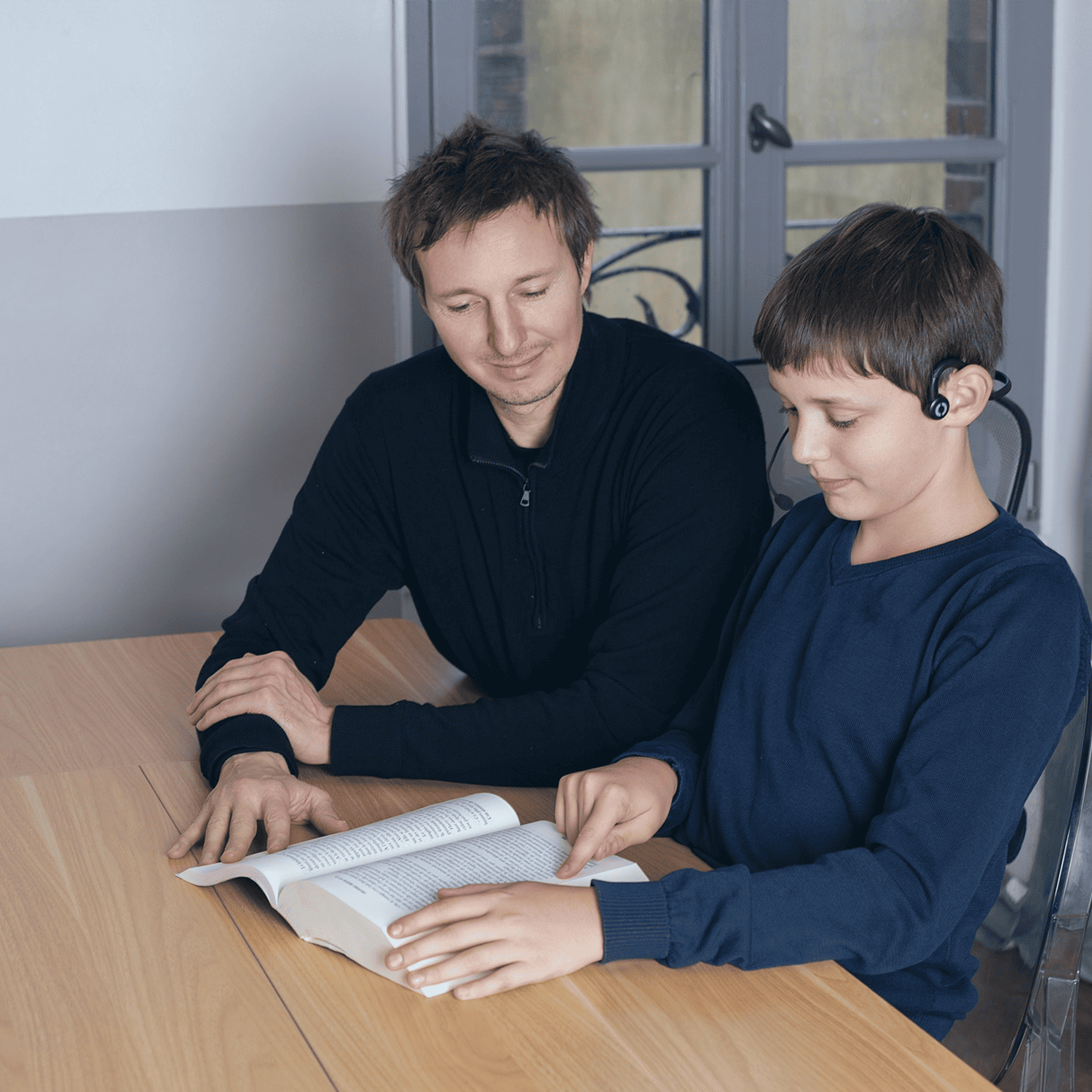
One of the best things about homeschooling is the freedom to organize your day around your family’s needs. But when you’re just getting started, that freedom can feel a little overwhelming.
Should you follow a traditional school timetable? How many hours should your children spend learning? And how do you fit everything in without feeling rushed?
The good news is that there’s no single right way to organize your homeschooling day.
Whether you’re teaching a preschooler, a teenager, or several children of different ages, the best routine is one that works for your family.
In this guide, we’ll explore practical homeschooling schedule ideas, from flexible routines to structured timetables. You’ll find daily and weekly examples, popular scheduling methods, and simple steps to help you create your own plan.
And remember, you can always change things as you go!
How to Think About Your Homeschool Schedule
When you first start homeschooling, it’s tempting to recreate a traditional school day at home. Six hours of lessons, scheduled breaks, and a timetable to follow. After all, isn’t that what a proper school day should look like?
But homeschooling gives you the freedom to do things differently.
You can give your child more individual attention and adapt lessons to their needs. If they’re struggling with a subject, you can spend more time on it. If they’ve already mastered something, you can move on.
I’m a big fan of creating a natural rhythm rather than a rigid timetable. This gives your family a familiar structure without having to watch the clock. You might start with reading, move on to math, and then enjoy some time outdoors.
You can also plan more challenging activities around the times your child feels most alert and focused.
The important thing is to find an approach that works for your family. After all, a good homeschool schedule should fit your life, not the other way around.
If you’re just getting started, the basics of how to homeschool your kids are worth working through first.
What to Consider Before Building Your Homeschool Schedule
Before you start planning your homeschool schedule, take a moment to think about your family’s needs. These seven questions will help you create a routine that works from day one.
1. How Old Are Your Children?
Your preschooler will have very different needs from your teenager. Younger children need plenty of play, movement, and hands-on activities. Older children may be ready for longer lessons and more independent work.
2. How Many Children Are You Teaching?
If you’re homeschooling more than one child, think about their individual needs. You’ll need to balance one-to-one teaching with activities they can enjoy together.
3. When Are Your Children Most Alert and Energetic?
You also have the freedom to design your homeschool schedule around times your child is most focused. For many families, the morning is ideal. If you’re homeschooling a child with ADHD or lots of energy, you might prefer to burn off some of that energy before you sit down and do more academic work.
4. What Is Your Family’s Normal Routine?
Factors such as meals, naps, sports, activities, and outdoor time can also influence your homeschooling schedule. You can use these activities as natural anchors for your schedule rather than changing your family’s routine to fit a timetable.
5. Do You Have Other Commitments?
Work, household tasks, appointments, and errands all need a place in your week. Be realistic about how much time you have available for teaching.
6. What Are Your Study Priorities?
Finally, consider what you’ll need to cover in your homeschooling week. Math and reading are often daily priorities, depending on your child’s age. Other subjects, such as art, history, and science, could rotate throughout the week.
7. What Are Your Local Homeschool Requirements?
Homeschooling laws vary by location. Check the rules for subjects, instructional time, and record-keeping where you live and use them as a guide for creating your rhythm.
Homeschool Scheduling Methods
Luckily, you don’t need to reinvent the wheel when planning your homeschool schedule. There are several tried-and-tested approaches you can use. Here are five popular methods to consider.
Block Scheduling
Block scheduling means setting aside larger chunks of time for particular subjects or activities. Instead of switching between subjects every hour, your child can spend longer exploring one topic.
For example, you might dedicate Monday afternoon to science and Tuesday afternoon to art. This gives your child time to explore their interests without constantly switching tasks.
Best for: Project-based learning, hands-on activities, and children who enjoy exploring subjects in depth.
Loop Scheduling
Another popular homeschooling schedule framework is ‘loop scheduling’. This allows you to follow a sequence of subjects without worrying about how long it takes you to complete each.
It’s a great approach if you have more subjects to cover than you can comfortably fit into your week.
Start by writing a list in your preferred order:
- Science
- History
- Art
- Geography
- Music
Work through the list, one subject at a time. If something disrupts your plans, simply pick up where you left off the next day. There’s no need to worry about falling behind.
Best for: Busy families who want to cover a range of subjects without feeling constantly behind.
Routine or Rhythm-Based
This was one of my favorite approaches when I homeschooled my son, who has ADHD. It gave us a familiar structure without constantly watching the clock.
Instead of following a strict timetable, you organize your day around activities that happen in a certain order.
For example:
Breakfast → Reading → Math → Writing → Creative activities → Lunch → Outdoor play
Your child knows what to expect, but you can spend more or less time on each activity depending on how the day is going.
Keep in mind: A simple checklist can help you keep track of essential subjects.
Time Blocking
Time blocking is a popular productivity technique that also works well for homeschooling.
You simply reserve specific periods of the day for different activities. For example, you might plan focused learning from 9:00 to 10:30, creative activities from 10:30 to 11:30, and projects from 11:30 to 12:30.
This is a useful approach if you’re juggling work, household tasks, and homeschooling.
Tip: Leave some breathing room between blocks. A lesson that takes longer than expected shouldn’t throw off your entire day.
Best for: Working parents and families who prefer a predictable routine.
Year-Round Versus Traditional Scheduling
You’ll also need to decide how to organize learning across the year.
A traditional school calendar usually runs from late summer or fall until early summer, with a longer break during the summer months.
But homeschooling gives you other options.
You might prefer year-round learning, with shorter breaks spread throughout the year. This can work well if your family travels regularly or has lots of other commitments.
Neither approach is better than the other. It depends on what suits your family and meets your local homeschooling requirements.
The important thing is to leave enough time for both learning and rest.
Daily Homeschool Schedule Ideas
Ready to see how this works in practice?
Here are five homeschool schedule examples to help you get started. Remember, these aren’t strict rules. Feel free to move activities around, shorten learning blocks, or combine subjects to suit your family.
1. A Simple Daily Homeschool Schedule
When I homeschooled my elementary-age son, a predictable morning followed by a more relaxed afternoon worked well. He could concentrate better in the morning and had plenty of time to burn off energy outdoors later in the day.
Here’s a sample homeschool schedule based on that approach.
| Time | Activity |
| 8:30–9:00 | Breakfast, get ready, and morning reading |
| 9:00–9:40 | Math |
| 9:40–10:00 | Snack and movement break |
| 10:00–10:40 | Reading and writing |
| 10:40–11:15 | Science or history |
| 11:15–12:00 | Outdoor play or hands-on activities |
| 12:00–1:00 | Lunch and free time |
| 1:00–1:45 | Art, projects, or independent reading |
Notice that the schedule doesn’t fill every minute with formal lessons. There’s plenty of time to move around, explore interests, and enjoy being together as a family.
2. Preschool and Early Elementary
Younger children learn through play, conversation, stories, and everyday experiences.
Rather than expecting them to sit at a desk for long periods, try shorter activities with plenty of opportunities to move and explore.
Here’s one way to organize your morning.
| Time | Activity |
| 9:00–9:20 | Songs, stories, and morning conversation |
| 9:20–9:40 | Letters, sounds, or number games |
| 9:40–10:15 | Outdoor play |
| 10:15–10:35 | Snack and storytime |
| 10:35–11:00 | Art, building, or sensory play |
| 11:00–12:00 | Free play and everyday learning |
Remember, you don’t need to turn every activity into a formal lesson. Talking about insects in the garden or reading a favorite story together can also be opportunities to learn.
If you’re teaching a younger child, homeschooling kindergarten has its own rhythm worth planning around.
3. Homeschool Schedule for Older Kids and Teens
Older children and teens often need a different approach. They may be ready for longer study sessions and more independent work. It’s also important to make time for discussion, personal projects, and hobbies.
Here’s an example of how you might organize their day.
| Time | Activity |
| 9:00–9:30 | Review goals and plan the day |
| 9:30–10:30 | Math or another challenging subject |
| 10:30–10:45 | Break |
| 10:45–11:45 | Language arts |
| 11:45–12:30 | Lunch and movement |
| 12:30–1:30 | Science or history |
| 1:30–2:15 | Independent study or project work |
| 2:15–2:30 | Review progress and plan tomorrow |
Of course, this is just an example. Give your child some input when planning their routine. Ask about their priorities, discuss how long tasks might take, and create a schedule together.
Encouraging independence matters more as your child gets older, which is central to homeschooling teenagers.
4. Homeschool Schedule for Multiple Ages
Homeschooling children of different ages can sometimes feel like juggling three conversations at once! One way to make life easier is to combine shared activities with short periods of individual instruction. Here’s a sample schedule.
| Time | Activity |
| 9:00–9:30 | Family reading or shared topic |
| 9:30–10:15 | Individual math: rotate parent support |
| 10:15–10:45 | Snack and outdoor break |
| 10:45–11:30 | Reading and writing at individual levels |
| 11:30–12:15 | Shared science or history project |
| 12:15–1:00 | Lunch and free time |
| 1:00–1:45 | Independent work, quiet play, or rest |
Shared learning is a great way to reduce the pressure of teaching different ages. Subjects such as science, history, and art work particularly well. Everyone can explore the same topic, with activities adapted to their age and ability.
5. Homeschool Schedule for Working or Single Parents
Balancing homeschooling with work and family responsibilities can be demanding. You may need a different approach to make everything fit.
Think about the activities your child or children can complete independently first. Also consider when you can offer focused support. Depending on your job, you might be able to adjust your working hours around your family’s needs.
Here’s an example for a parent who works from home.
| Time | Activity |
| 7:30–8:30 | Breakfast and family time |
| 8:30–9:30 | Parent-led math and reading |
| 9:30–11:00 | Parent works; child completes suitable independent activities |
| 11:00–11:30 | Break and check-in |
| 11:30–12:15 | Shared lesson or project |
| 12:15–1:00 | Lunch |
| 1:00–3:00 | Parent works; supervised activities, independent study, or childcare |
| 3:00–3:30 | Review learning and plan the next day |
As you’ll notice, the afternoon schedule includes supervised activities. This could include homeschool groups or activities, or even childcare. Younger children need more direct care, so you may need help from another adult, flexible working hours, or a different arrangement.
Whichever schedule you create for your family, remember that it doesn’t need to follow a traditional school schedule. Some families find that early mornings, evenings, or weekends work better for them.
Weekly Homeschool Schedule Ideas
Now you’ve seen how to organize your homeschooling day, let’s look at the bigger picture. A weekly schedule helps you see which subjects you’re covering and when. It also makes it easier to balance academic work with other activities.
Some families prefer to teach core subjects every day and rotate the others throughout the week.
Others like to cover a wider range of subjects each day. Find what works best for you, then create your weekly homeschool schedule around this.
Here are two homeschooling schedule ideas you can adapt to your family’s needs.
A Simple Homeschool Weekly Schedule
When I homeschooled my son, I preferred to keep core subjects consistent while rotating other activities throughout the week.
Here’s an example of how that might look.
| Day | Core subjects | Additional learning |
| Monday | Math and language arts | Science |
| Tuesday | Math and language arts | History |
| Wednesday | Math and language arts | Art and music |
| Thursday | Math and language arts | Science and geography |
| Friday | Math and language arts | Projects, review, and field trips |
This homeschool weekly schedule gives your child a familiar routine without making every day feel the same.
You could also use loop scheduling for the additional subjects. That way, if you miss a day, you simply pick up where you left off.
A Four-Day Homeschool Week
Some families prefer four days of structured lessons, leaving the fifth day free for other types of learning. You might visit a science museum, attend a forest school group, explore nature, or take part in a homeschool co-op.
After all, learning doesn’t only happen at a desk!
Here’s what a four-day academic week could look like.
| Day | Main focus |
| Monday | Math, language arts, and science |
| Tuesday | Math, language arts, and history |
| Wednesday | Math, language arts, and creative projects |
| Thursday | Math, language arts, and science |
| Friday | Field trips, co-op activities, outdoor learning, or catch-up |
The beauty of this approach is that it gives you more room for hands-on experiences and activities outside the home.
Just remember to check your local homeschooling requirements before choosing a four-day schedule.
How to Build Your Own Homeschool Schedule
Now you’ve explored the different approaches; it’s time to create a schedule that works for your family.
Here’s my simple six-step guide to getting started.
Step 1: Start With Your Fixed Points
Grab a piece of paper and write down the days of the week. Or open a spreadsheet if you prefer.
Next, add the commitments that already shape your week. These might include work hours, meals, naps, appointments, sports, or regular activities outside the home.
These will form the foundation of your homeschool schedule.
Step 2: Choose Your Learning Priorities
Make a list of the subjects and activities you want or need to cover. Remember to check your local homeschooling requirements first.
Which subjects need regular practice? Math, reading, and languages are good examples.
Which activities could happen a few times a week? And which ones need your direct involvement?
Step 3: Choose a Scheduling Method
Think about what works best for your family.
Do your children prefer to know exactly what’s happening and when? Time blocking might be a good choice.
Would you rather follow a more relaxed routine? Try rhythm-based scheduling.
You can also combine different methods. There’s no rule saying you have to choose just one.
Step 4: Slot In Focused Learning Blocks
Now it’s time to start filling in your schedule.
Begin with your weekly plan. You might decide to teach math and reading every morning, then rotate science, history, and art throughout the week.
Once you’ve decided which subjects to cover each day, you can plan your daily activities.
Remember to schedule more challenging tasks when your children are most alert and focused.
Step 5: Add Breaks, Movement, and Free Time
Rest, movement, and free time are just as important as academic learning.
Make sure your children have time to burn off energy, recharge, and simply enjoy being kids.
And don’t forget to leave some breathing room for unexpected interruptions!
Step 6: Test Your Schedule and Adjust
Now you’ve created a homeschool routine; try it for a week or two and see how it works.
Pay attention to how your children respond. Are they struggling to concentrate after lunch? Do mornings feel rushed? Is there enough time for the subjects that matter most? Do they enjoy their schedule?
Nothing is set in stone, and with a few small adjustments, you might find you have the ideal homeschool schedule for your family.
Bear in mind that your children’s needs can change drastically from year to year or even over the course of a year. So review your schedule often and make those small tweaks when needed.
How Forbrain Fits Into Your Homeschool Routine
Does your child find reading aloud or speaking activities difficult? You might be looking for ways to make practice more enjoyable.
One option is Forbrain, a headset that lets your child hear their own voice differently.
Forbrain uses bone conduction and altered auditory feedback. This changes how your child hears their voice as they speak. They can use it during activities such as reading aloud and pronunciation practice.
You don’t need to change your whole homeschooling schedule to try it. Instead, you could include Forbrain in activities you’re already doing.
For example, your child might use it while:
- Reading a short story aloud
- Practicing new vocabulary or pronunciation
- Repeating sentences during language lessons
- Telling you about something they’ve learned
Start with a short, comfortable activity and see how your child responds.
Remember, Forbrain is an optional learning tool. It doesn’t replace professional assessments or speech and language therapy.
If you’re worried about your child’s speech, language, or learning development, speak to a qualified professional.
Bottom Line
Finding the right homeschooling schedule takes a little trial and error. And that’s absolutely fine!
The homeschooling schedule ideas we’ve explored are starting points, not rules you have to follow. Every family is different, and what works for one child might not work for another.
Start with a simple routine, give it a try, and make changes as you go. Remember to leave plenty of room for play, rest, and unexpected adventures.
After all, one of the biggest joys of homeschooling is having the freedom to learn in a way that works for your family.
References
Centers for Disease Control and Prevention. (2025, December 4). Child activity: An overview. https://www.cdc.gov/physical-activity-basics/guidelines/children.html
Cepeda, N. J., Pashler, H., Vul, E., Wixted, J. T., & Rohrer, D. (2006). Distributed practice in verbal recall tasks: A review and quantitative synthesis. Psychological Bulletin, 132(3), 354–380. https://doi.org/10.1037/0033-2909.132.3.354
Diamond, A., & Lee, K. (2011). Interventions shown to aid executive function development in children 4 to 12 years old. Science, 333(6045), 959–964. https://doi.org/10.1126/science.1204529
Dunlosky, J., Rawson, K. A., Marsh, E. J., Nathan, M. J., & Willingham, D. T. (2013). Improving students’ learning with effective learning techniques: Promising directions from cognitive and educational psychology. Psychological Science in the Public Interest, 14(1), 4–58. https://doi.org/10.1177/1529100612453266
Flais, S. V. (2024, June 28). The importance of family routines. HealthyChildren.org. https://www.healthychildren.org/English/family-life/family-dynamics/Pages/the-importance-of-family-routines.aspx
Yogman, M., Garner, A., Hutchinson, J., Hirsh-Pasek, K., & Golinkoff, R. M. (2018). The power of play: A pediatric role in enhancing development in young children. Pediatrics, 142(3), e20182058. https://doi.org/10.1542/peds.2018-2058
