


When to Start Homeschooling
 Charlotte Witts
 SLP
08/12/26 | Last modified: 09/22/26
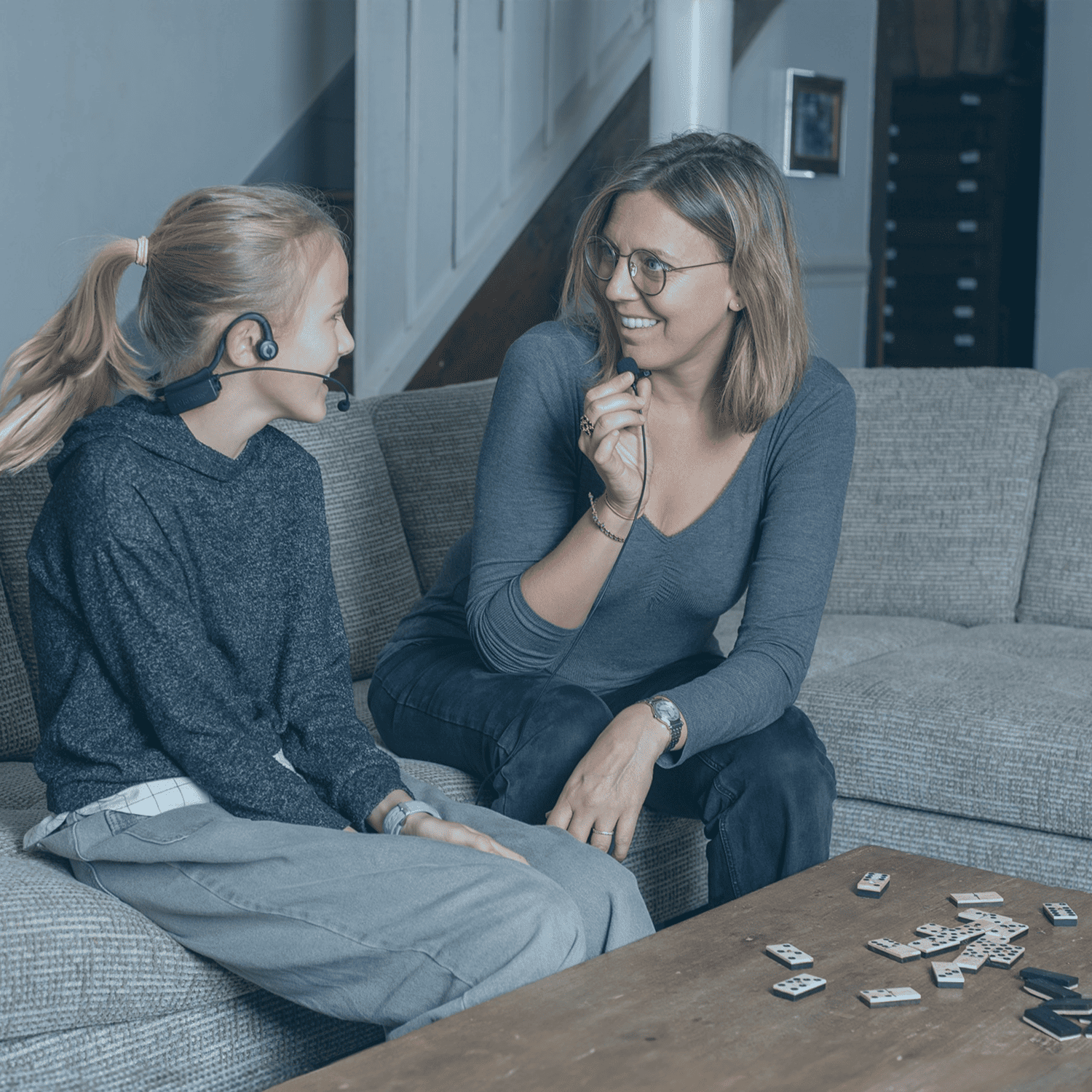
If you’re wondering when to start homeschooling, you may be worried about getting the timing wrong. Will your child fall behind if you start too late? Will you put too much pressure on them if you start too early? And if they’re already in school, have you missed your chance to make the switch?
The truth is that there is no perfect age to start homeschooling.
The right time depends on several factors. These include:
- Your local homeschooling laws
- Your child’s development and readiness
- Your family’s circumstances
- Your reasons for homeschooling
Some families start when their children are very young. Others make the switch from traditional school later on.
Instead of focusing on finding the “perfect” age, focus on creating a healthy learning environment. It should meet your child’s needs and work for your family. Starting earlier doesn’t necessarily give your child an academic advantage. Starting later doesn’t mean they’ll struggle either.
In this article, you’ll learn when to start homeschooling based on your family’s circumstances. You’ll also learn about legal requirements, what research says about school starting ages, and signs that your child may be ready. We’ll also look at what homeschooling can look like at different ages and stages.
Quick Answer: When to Start Homeschooling
You can start homeschooling at different ages. The right time depends on your local laws, your child’s readiness, and your family’s circumstances.
There is no single best age to begin. The right time is when homeschooling is legally permitted where you live and when you and your child are ready for the change.
When Can You Start Homeschooling? The Short Answer
So, when can you start homeschooling?
You can begin at different ages, but the most important factor is the law where you live.
If homeschooling is allowed, some families start before compulsory school age and make learning part of everyday family life. Others start later or leave traditional school and transition to homeschooling.
Before you decide, ask yourself:
- What does the law say where you live?
- Is your child ready to be homeschooled?
- What are your family’s circumstances?
Your answers can help you decide what is right for your child and your family.
What Age Do You Legally Have to Start Homeschooling?
The law requires children to receive a full-time education from a certain age. This is known as the compulsory school age.
However, this does not always mean your child must attend a traditional school.
Rules vary by location. Homeschooling requirements can also differ. They may include:
- When your child must receive a formal education
- Whether you need to file a notice of intent
- Whether you need to submit reports or assessments
- Whether you need to keep a portfolio of your child’s work
- Whether there are specific curriculum or instructional requirements
Before you start homeschooling, make sure you understand the rules where you live.
Contact your local school district to find out what the law requires. You can also contact a local homeschool organization for guidance on how the rules apply to your family.
What’s the Best Age to Start Homeschooling? What the Research Says
When thinking about the best age to start homeschooling, it helps to look at the research. What does science say?
Unfortunately, research doesn’t provide a clear answer.
This is partly because homeschooling is different from learning in a traditional classroom.
Children who learn at home may take part in activities throughout the day that support learning. Even if they are not doing structured lessons, they are learning. Other families may choose to follow a highly structured curriculum.
It depends on your child’s needs, how you plan to homeschool, and the legal requirements where you live.
For this reason, it’s better to focus on your child’s readiness rather than a single age.
Research does show that relative age can affect academic performance, especially in the early years.
Children who are relatively older in their school year may perform differently from younger classmates. Differences in development and maturity may play a role. These effects seem to be true across different educational systems and over several school years.
School starting ages also differ around the world. Educational philosophies have different ideas about when formal instruction should begin. Some focus on play, exploration, and developmental readiness. Others introduce structured academic learning earlier.
That said, this doesn’t mean you should automatically delay or accelerate your child’s education.
Instead, consider your child’s language skills, attention, curiosity, independence, emotional development, and interest in learning. Focus on your child, and the answer may become clearer.
Can You Start Homeschooling Too Early?
You can start learning at home from a very young age. What you do will depend on your child’s development and what you mean by “homeschooling.”
When we think about homeschooling, we often picture formal lessons and structured education. But learning happens throughout the day.
Preschool-aged children learn through play, conversation, reading aloud, music, cooking, movement, exploration, and everyday activities. This does not need to involve hours of formal lessons.
Can You Start Homeschooling Too Late?
You can start homeschooling at any age. Just because your child has already spent several years in traditional school doesn’t mean you’ve left it too late.
Many families start homeschooling during elementary, middle, or high school. They may feel that traditional school is not meeting their child’s needs, or their family circumstances may have changed.
Homeschooling can help you better support your child’s education. It allows you to provide support where it’s needed and create an ideal learning environment for them.
If your child is older, you may have more to consider. This can include credits, transcripts, graduation requirements, or college and career plans.
But that doesn’t mean it’s a bad idea. Again, it depends on what works for you and your family.
Signs Your Child Is Ready to Start Homeschooling
When deciding whether your child is ready to be homeschooled, look for a mix of developmental, emotional, and practical signs.
Readiness often shows through your child’s behavior, interests, curiosity, and your family’s circumstances. It is not always about a specific birthday.
Early Learning Readiness Signs
Signs that your young child may be ready to start homeschooling include:
- Growing language and communication skills
- An interest in counting, drawing, letters, or other early concepts
- An ability to follow simple directions
- An interest in stories, books, music, or questions
- Curiosity about how things work
- The ability to engage in an activity for short periods
Remember that readiness does not mean your child has to sit still and complete worksheets. At this age, learning can happen through play, exploration, and everyday activities.
Signs a School-Aged Child May Be Ready for a Homeschool Transition
Some parents consider homeschooling because their child is struggling at traditional school.
For example, your child may be frustrated with school, struggling with their well-being, or not getting the support they need. They may also want more freedom to learn at their own pace.
Before making a decision, take time to understand why your child is struggling. Homeschooling may be a good solution, but you still need a plan for supporting their learning needs.
Starting Homeschooling at Different Ages and Stages
The age you start homeschooling depends partly on what you want your child’s education to look like.
Here’s what homeschooling may look like at different stages.
Preschool Years
Preschoolers learn best when they can play and have fun. Keep learning flexible and hands-on at this age.
Read picture books together. Sing songs, go for nature walks, cook, build things, play pretend, explore, dance, and play games.
These activities give your child opportunities to explore and discover. They also support language and communication skills without putting too much academic pressure on them.
Kindergarten Years
At kindergarten age, you can gradually introduce more structure if you think your child is ready.
This does not need to mean a packed schedule or a rigorous curriculum.
Continue reading together, counting, storytelling, solving puzzles, creating art, and moving. You can also introduce short literacy and numeracy lessons.
Elementary School Years
By elementary school age, your child may be ready for more individualized instruction.
This is a good time to build academic foundations and give your child the support they need to thrive. If they need more time for reading or math, you can slow down. If they are fascinated by science, history, or another subject, you can explore it more deeply.
You can also combine core subjects, such as English, math, and science, with hobbies, outdoor activities, projects, and social opportunities.
If you’re new to homeschooling, check out our broader guide on how to homeschool your kids before choosing a curriculum or daily schedule.
Middle School Years
By middle school, your child may be ready for a stronger academic focus. They can also start making more decisions about their education.
For example, involve your child in choosing books, electives, projects, or extracurricular activities they enjoy. When children are interested in a subject, they are often more motivated to explore it.
This is also a good age to start developing independent study habits.
High School Years
If you want to start homeschooling your high school child, you will need to do more planning.
Start by understanding your local graduation requirements. Keep careful records of courses, grades, credits, and other achievements.
You may also need to consider college applications, entrance exams, vocational training, or employment.
Involve your child in this process. Alongside their core studies, they may be able to take online courses, gain work experience, or explore specialized interests that support their future goals.
When to Start Homeschooling if You’re Switching From School
If your child is attending traditional school and you want to homeschool, you may be wondering when to make the switch.
Many parents believe they should wait until the end of the academic year before withdrawing their child. This can make planning easier because you have a natural starting point for your curriculum, schedule, and academic records.
But you do not always need to wait.
If your child is having problems at school or your family’s circumstances have changed, starting mid-year may make sense. Always check the legal requirements where you live before starting the withdrawal process.
Also, consider the practical and emotional sides of the transition. It can take time for your child to adjust to a completely different way of learning.
Can You Start Homeschooling Mid-Year?
Yes, in many places, families can transition to homeschooling during the school year. The exact legal process varies by location.
You may need to formally withdraw your child, notify the appropriate education authority, or complete other paperwork. Check these requirements before making the change.
Academically, you don’t need to recreate the school year straight away.
Use the first few weeks to understand where your child is. Establish a routine, choose appropriate resources, and work out what is sustainable for your family.
What Is Deschooling?
Some homeschool families allow for a deschooling period after leaving traditional school.
This means giving your child time to adjust to a new way of learning without the usual academic pressure.
You might spend time together as a family, read, play, visit museums, pursue hobbies, or follow your child’s interests without measuring everything through assignments and grades.
How long should you deschool? That depends on your family, your reasons for leaving school, and how stressful your child’s previous school experience was. Some families spend a few weeks, while others allow more time.
When in the School Year Should You Start?
One of the benefits of homeschooling is its flexibility. You can often start at a time that works for your family.
Some families follow a traditional school year. They start in September and finish the following summer. Others homeschool year-round and take breaks throughout the year.
Starting in September may make it easier to connect with local homeschool groups, activities, or online classes.
A more flexible schedule may work better if you travel, work unusual hours, or have other commitments.
Again, focus on what works best for your child and your family.
Family Readiness Factors to Consider Before Homeschooling
So far, we’ve focused on your child’s needs and how to tell if they are ready to be homeschooled.
But this is only part of the equation. You also need to consider whether your family is ready.
Here are some factors to consider:
- Your schedule: How much time can you realistically dedicate to homeschooling?
- Work commitments: Can you balance homeschooling with your job or business?
- Support: Do you have family, friends, homeschool groups, tutors, or other resources you can turn to?
- Finances: Will homeschooling affect your household income? Will it require spending on curriculum and activities?
- Community: Where will your child find opportunities for friendships, activities, sports, and shared interests?
- Expectations: Are you expecting homeschooling to solve every educational challenge immediately?
You don’t need to feel completely confident before you begin homeschooling. No one expects you to become an expert overnight.
Start by finding out the legal requirements. Then create a realistic routine, observe how your child responds, and adjust as you learn what works.
How Forbrain Can Support Homeschooling
Homeschooling gives you plenty of opportunities to practice listening and speaking as part of everyday learning. Your child may read aloud, practice new vocabulary, explain what they’ve learned, recite information, or give presentations.
Forbrain can complement these activities with auditory feedback. The device allows your child to hear their own voice while they speak, making it a useful tool for activities that involve speaking and listening.
For example, your child could use Forbrain while reading aloud, practicing pronunciation, reciting a lesson, learning new words, or preparing for an oral presentation.
You can easily add these activities to your existing homeschool routine. Forbrain isn’t designed to replace teaching or practice. Instead, it can be another tool you use to support your child’s learning at home.
Bottom Line
So, what’s the right time to start homeschooling your child?
There isn’t one simple answer for every family.
You can start homeschooling before traditional school age or make the switch during elementary, middle, or high school. What matters is your child’s readiness, your local legal requirements, and your family’s circumstances.
Start by thinking about your child’s needs. Check the legal requirements where you live and consider what your family can realistically manage.
Starting homeschooling during high school can involve more planning than starting in the early years. This may include graduation requirements, credits, and future college or career plans.
But don’t let this put you off. If you believe homeschooling could create a learning environment that suits your child’s needs, it may be worth exploring.
You don’t need a perfect plan before you begin. You don’t need to be a homeschooling expert, either. Start with an open mind, learn as you go, and be willing to adjust as your child grows and their needs change.
References
Mavilidi, M. F., Marsh, H. W., Xu, K. M., Parker, P. D., Jansen, P. W., & Paas, F. (2022). Relative age effects on academic achievement in the first ten years of formal schooling: A nationally representative longitudinal prospective study. Journal of Educational Psychology, 114(2), 308-325. https://doi.org/10.1037/edu0000681
National Center for Education Statistics. (n.d.). State education reforms: Compulsory school attendance ages. U.S. Department of Education, Institute of Education Sciences. https://nces.ed.gov/programs/statereform/tab5_1.asp
Forbrain. (n.d.). Helping your child thrive with homeschooling. https://www.forbrain.com/homeschooling/
Jacqueline. (2024, October 1). How to homeschool in the early years: Preschool and kindergarten, ages 0-7. Deliberate Owl. https://deliberateowl.com/blog/how-homeschool-early-years-preschool-kindergarten-ages-0-7