


Homeschooling Tips: Simplified Habits for Smooth Days
 Amanda Unrau
 M.A., CCC-SLP
09/24/26 | Last modified: 09/24/26
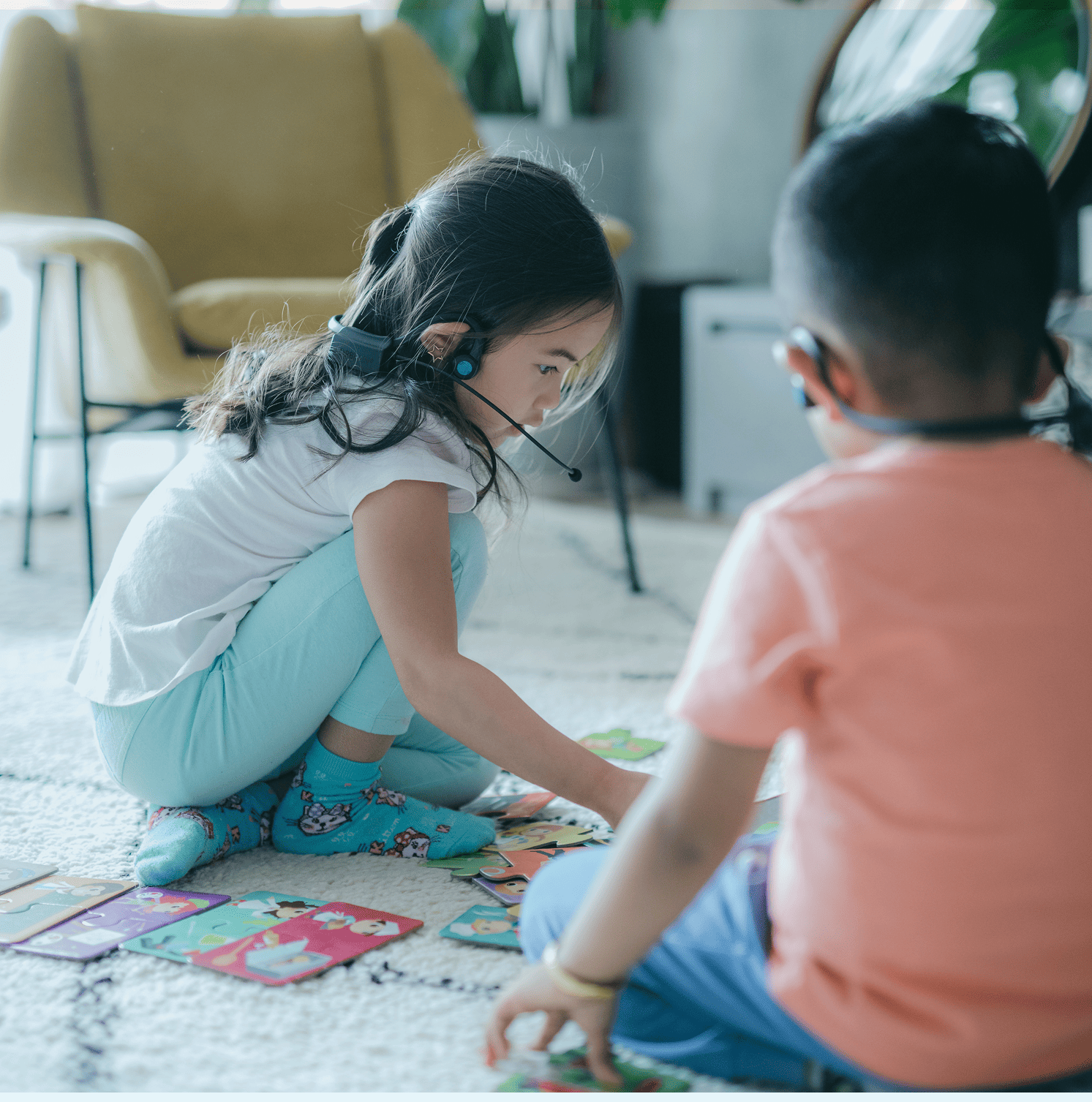
Have you ever found the prospect of homeschooling completely staggering? Maybe you don’t know how to begin, or feel like your homeschooling method isn’t working. You are not alone. No matter if you are just getting started or have been homeschooling for a while, you can simplify your homeschool. A few good habits can take your homeschool from overwhelming and chaotic to painless and uncomplicated. This article offers practical homeschooling tips you can implement today. They are grouped by topic, so head to the section you need for some encouragement.
Start Slow And Give Yourself Grace
Have you made the decision to homeschool? You’re probably feeling excited and overwhelmed at the same time. Homeschooling is an incredible experience, so don’t be discouraged. The same fundamentals apply at every age, and getting started with homeschooling is mostly about a few good first steps. As you ease into it, here are some homeschooling tips for beginners.
Remember your why. Know your reasons for homeschooling, and come back to them often. This will keep you motivated to keep going on the hard days. Parents choose to homeschool for many reasons. Sometimes their child is struggling to succeed in a traditional classroom, or the public school setting doesn’t align with their family’s values. Maybe you are looking for more individualized learning opportunities, a flexible schedule, and more freedom.
Know that there will be an adjustment period. Switching to homeschooling is a big change, and you and your child will need time to get used to it and find your new rhythm. If your child is coming from a traditional classroom, you need to allow for some deschooling to unlearn school routines and mindsets. Your child may need a mental reset and some additional unstructured time. In the same way, you will not need to know everything about homeschooling on the first day. Give yourself and your child grace.
Do not try to recreate school at home. Let go of the idea that your homeschool needs to look like a classroom. Trying to make a traditional school at home will only lead to frustration and discouragement for both you and your child. The beauty of homeschooling is that you can set it up in a way that best suits your child and your family.
Set Up A Space And Routine That Works
When launching your homeschool, you need to create a workable learning space and a predictable rhythm. These components are the basis on which the rest of your homeschool is built.
Consider your homeschool workspace. You can homeschool anywhere. You do not need a large home with a dedicated homeschooling space. Many people adapt and use their shared living areas. School can be done in the kitchen, living room, dining room, bedrooms, or even the back porch. Making this work comes down to creativity and organization. You may need to keep materials minimal and store supplies in different areas of your home.
Here are some tips for those of you homeschooling in a common area of your home. Use a rolling cart so you can remove supplies when you are not doing schoolwork. A table with sides that drop down or leaves that can be added or removed allows for versatility and the ability to change the size of the table. Rethink the way you use your home’s storage spaces. For example, kitchen cabinets or shelves in an entertainment center can be used for books and other homeschool supplies.
As you get your feet wet, start with a weekly rhythm. You can refine it to become a more rigid schedule as you and your child determine what works best. Consider teaching the core subjects (math and reading) every day, and science and social studies a couple of days a week. Add in daily read-alouds and nature time, along with chores and meal preparation assistance.
For more help building a consistent rhythm and choosing when to start, that decision has its own considerations worth reading through.
Teaching Tips That Make Learning Stick
A benefit of homeschooling is the one-on-one attention and custom pace of learning. Remember that you do not need to approach teaching at home in the same way that is done in a traditional classroom. You can teach in the way that your child learns best.
Here are some homeschooling teaching tips to help your child succeed:
- Consider your child’s attention span: Set up your schedule to suit your child. Don’t expect a first grader to stay focused for an hour-long lesson. Keep lessons short and add in frequent breaks for movement and play. You can gradually increase focused work time as the school year progresses.
- Let your child’s interests lead: Following your child’s interests does not mean that your child is in complete control of their education. It means that you use their interests to determine what they will learn about. You can incorporate what they are curious about into a unit study that covers a variety of subjects, including math, history, science, reading, music, geography, and art. This also demonstrates to your child that learning is a lifelong journey.
- Incorporate hands-on activities: Instead of just teaching from a book and having your child complete worksheets, use hands-on activities. These types of projects increase interest and motivation through active exploration. Hands-on activities can include planning and preparing recipes, using maps to plan a family vacation, retelling stories by acting them out with costumes, or going on nature scavenger hunts.
- Use reading aloud: Reading books aloud is an engaging way to introduce all kinds of topics. There are books to be found about any subject. Reading aloud introduces your child to new vocabulary, grammar, and advanced concepts above their reading level. It also builds the foundation for your child’s own reading skills. Don’t limit yourself to only academic books. Add classics or favorite books to your repertoire. Choosing fun books makes the experience a memorable activity to look forward to and builds your family connection.
- Individualized instruction: A major advantage of homeschooling is the one-on-one attention and instruction you can provide to your child. Unlike a teacher in a traditional classroom, who teaches a large group of diverse children using one method, you can customize your teaching approach to meet your child’s needs.
This means you can adjust the pace, accommodate their peak focus times, and teach to their unique learning style. You can move ahead in subjects in which your child excels, and spend extra time on areas of difficulty. If your child is a morning person, you can complete all of their schooling before lunch, allowing them to spend the afternoon when they may be more tired in any way they please. Discover your child’s learning style: visual, auditory, written, or kinesthetic (hands-on movement). Use that knowledge to guide how you present information.
Stay Flexible And Avoid Burnout
Some parents go all in trying to do everything perfectly, and soon become burnt out. They may even get to the point of reconsidering homeschooling altogether. No parent begins homeschooling with that intention, but you can end up there if you get caught up in doing it all. If you want to keep homeschooling sustainable and avoid reaching this point, focus on what matters most and let the rest go.
Here are some homeschooling tips for parents who want to stick with it long term.
Make Adjustments When Needed
If you realize that something isn’t working, don’t be afraid to make a change. You may need to stop, reevaluate, and start over. Signs you may need to reset your homeschool include a lack of progress in your child’s learning, lack of motivation and focus, or frustration or resistance from your child during lessons.
What are some changes you may need to make? Consider switching to a different curriculum, adjusting your daily or weekly schedule, shortening lessons, cutting back the number of subjects you teach, or joining a co-op for support.
Build in Margin
To avoid overwhelm, leave unscheduled time in your schedule. This helps you to avoid overcommitting and packing your schedule too full. It also leaves room for the unexpected, such as illness or emergencies. This white space allows for transitions, connection, and keeps the joy in your homeschool.
What does margin look like for your family? Some families choose to homeschool four days a week, with one day set aside for catching up on work, field trips, playdates, or rest. Think about how you would like to set up your yearly calendar. You can follow a traditional school schedule with summers off, or you can homeschool year-round with frequent breaks.
Protect Your Energy
As the head of your homeschool, you need to protect your energy. Being both parent and teacher is a lot. Boundaries are important for nurturing yourself while you nurture others. Consider getting up early to have some quiet time to yourself before your kids wake up to read, drink coffee, or just enjoy the quiet before the day begins. Protect your teaching time by treating homeschool like a job. Let phone calls go to voicemail, delay errands, let friends and family know you are busy, and stick to your homeschool hours.
Accept Bad Days
Know that some days will not go according to plan. This does not mean that you or your child have failed. Behaviors, distractions, illness, or a busy day can quickly lead things off track. When your homeschool day is derailed, try a change in activity or a change in scenery. Play a game, watch an educational documentary, or head outside. Throw out the schedule for the day and consider skipping some subjects to focus on the essentials. Focus on the connection with your child and know that you both can start fresh tomorrow.
Stay Organized And Track Progress
Parents can get so caught up in the day-to-day demands of homeschooling that they forget to plan and keep track of their child’s progress. You do not need to be the most structured person to homeschool, but it does require some level of organization. How do you stay on top of your homeschool without drowning in administration tasks?
These simple tips will help you set up a system of organization for your homeschool:
Planning
Homeschool planning can feel intimidating when you are first getting started. Here are some areas to focus on:
- Yearly planning: Start by considering what you want to accomplish this year and creating a vision for what you want your homeschool to look like. Then make a basic plan for the year. Find out if your state requires a certain number of school days per year. Determine whether you will follow a traditional school year calendar or if you will homeschool year-round without a summer break.
- Weekly planning: Then consider how you want to set up your weekly rhythm. Will you do lessons daily, or will you set aside one day a week for meeting with your co-op or friends? Will you do lessons in the mornings or afternoons? Do you need to work around other commitments, such as jobs or younger children who nap?
- Lesson planning: Once a month, review your family calendar and curriculum to plan out the coming weeks. Order any necessary materials and reserve relevant library books. Then at the end of each week, look ahead at the specific parts of the curriculum for the coming week and record page numbers and lesson numbers. Gather books and materials for the coming week so they are ready to go.
Record-Keeping
What kind of records do you need to keep? Each state has specific requirements for homeschoolers, so check your state’s website before getting started. Here are some areas to start keeping basic records.
- Attendance: Track your child’s attendance by logging the days or hours they participate in school.
- Classes: Document the titles of your curriculum and lessons completed, as well as any supplementary resources.
- Grades: Record any grades or test scores.
- Co-op information: Save any information from classes taken through a co-op.
- Volunteer records: Log any hours your child spends volunteering.
- Therapy or tutoring: Keep documentation of any diagnosed learning disabilities or work completed with therapists, tutors, or mentors.
Track Progress
The goal of your homeschool is to raise lifelong learners, but you still need to track progress. This does not mean you need to use traditional tests to check for understanding. Remember that as your child’s teacher, you know if your child understands what they are learning. One way to keep track of your child’s learning is to create a portfolio. A thorough portfolio will include the following:
- A list of projects completed
- A list of experiments completed
- Work samples
- Photos of work or activities
- A list of field trips taken
- A list of documentaries or films viewed
- A list of books read
Find a system that works for you when planning, record-keeping, and tracking progress. You can use digital tools, a binder, or a combination of both methods.
Connect With Other Homeschoolers
Homeschooling becomes easier and less lonely when you do it in community instead of going it alone. Both you and your child will benefit from connecting with other homeschoolers. Here are some options for building that connection.
- Co-ops: A co-op is a group of homeschooling families that work together to share responsibilities and provide social opportunities. It is likely that you have at least one homeschool co-op in your area. These may be drop-off programs or parent-led, with parents taking turns teaching different classes.
- Groups: There are a variety of homeschool groups that you can join. Some libraries host weekly or monthly homeschooling groups where a librarian teaches on different topics. Some homeschool groups focus on field trips or outdoor adventures.
- Classes: Consider signing your child up for a class in their area of interest. Classes are available on a wide variety of topics, including Legos, science, robotics, books, gardening, cooking, sewing, etc. You might even find classes for parents and children to participate in together.
- Homeschool conventions: Most states hold homeschool conventions at least once a year. If you attend a convention, you will find curriculum vendors, workshops, speakers, and other homeschooling families.
If you’re homeschooling a child on the spectrum, social connection takes a bit more planning; both homeschooling a child with autism and specific social skills activities are worth a closer look.
Tips For Homeschooling More Than One Child
It can be hard to imagine how to homeschool multiple children at once, especially when there is a large span of ages. Each family will choose to tackle this in a different way, and it may take some trial and error to find what works for your family. Here are some practical tips for teaching several ages of children at once:
- Combine subjects: Shared subjects such as science, history, and art can be taught together. You can advance topics for older children by giving them additional reading or more challenging assignments.
- Stagger one-on-one time: Some subjects, like math or reading, will likely need to be taught separately since each child will be at a different skill level. Since younger children need more direct instruction, work with them first to get them started. Set timers so your children know how long they have before you switch to work with another child.
- Encourage independent work: Start teaching your child to complete some work independently from a young age. Set a timer to show them how long they need to work on their own. Older children can complete schoolwork, and you can provide books or coloring for young children.
How Forbrain Can Help Your Homeschool
Forbrain is a tool that can support the learning habits above. This auditory stimulation headset uses bone conduction to feed your child’s own voice back to them more clearly as they work. That feedback may support attention and focus, whether they are listening to a read-aloud or reading aloud themselves.
Forbrain can be paired with many homeschool tasks, including reading, language practice, and hands-on activities, where it may support comprehension and memory for what they hear. It should not replace professional evaluation or therapy when there are significant concerns.
Bottom Line
Don’t overcomplicate your homeschool. If you are feeling overwhelmed, keep hold of what is important and let go of the rest. Consider simplifying certain aspects of your homeschool. Find basic systems of organization and record-keeping that you can stick with. Don’t homeschool alone. Reach out to fellow homeschooling families for support. Review the homeschooling tips in this article and you will be well on your way to a successful and joyful homeschool experience.
References
Formatting fixes applied below: “(Accessed 2026, September X)” → “(n.d.). … Retrieved September X, 2026, from URL”; initials not full first names; sentence-case titles; tracking parameters stripped; double space removed.
Bedford, L. (2026, July 28). 16 homeschool tips + organization ideas. The Survival Mom. https://thesurvivalmom.com/my-top-16-tips-for-beginning-homeschoolers/
The Homeschool Mom. (n.d.). Homeschool record keeping: What, why, and how. The Homeschool Mom. Retrieved September 16, 2026, from https://www.thehomeschoolmom.com/homeschool-help/homeschool-planners/
Homeschool with Moxie. (n.d.). Tracking progress in your homeschool. Homeschool with Moxie. Retrieved September 16, 2026, from https://www.4onemore.com/tracking-progress/
Sonlight. (2025, April 23). You are not alone: The best ways to connect to local homeschoolers. Sonlight. https://blog.sonlight.com/connect-local-homeschoolers.html
Sorgius Jones, K. (n.d.). 4 simple steps to get started homeschooling. Not Consumed. Retrieved September 14, 2026, from https://www.notconsumed.com/4-simple-steps-to-get-started-homeschooling/
Sorgius Jones, K. (n.d.). How to get started homeschooling. Not Consumed. Retrieved September 14, 2026, from https://www.notconsumed.com/how-to-get-started-homeschooling/
(Also fixed the title typo in the original: “How to Get Started Homeschool” → “How to get started homeschooling.”)
Treehouse Schoolhouse. (2024, April 2). Homeschooling setup and organization for small spaces. Treehouse Schoolhouse. https://treehouseschoolhouse.com/blog/homeschooling-setup-and-organization-for-small-spaces
Treehouse Schoolhouse. (2025, April 15). Homeschool planning 101. Treehouse Schoolhouse. https://treehouseschoolhouse.com/blog/homeschool-planning-101
Waldock, J. (n.d.). Learning to follow my child’s lead. Simple Homeschool. Retrieved September 15, 2026, from https://simplehomeschool.net/learning-to-follow-my-childs-lead/
Wiedrick, T. (2025, May 21). 7 practical boundaries for homeschool moms to protect energy and time. Capturing the Charmed Life. https://capturingthecharmedlife.com/7-practical-boundaries-for-homeschool-moms-to-protect-energy-time/
Zipp, R. (2021, August 30). Simple homeschool room ideas for organizing your space. A Humble Place. https://ahumbleplace.com/homeschool-room-tour/