


5 Best In-Ear Monitors for Singers [2026]
 Tyler Connaghan
 Music producer, Singer
02/09/26 | Last modified: 02/10/26
Most singers decide to invest in in-ear monitors after one too many shows relying on blown-out wedge monitors or sound techs with too much pride to listen to you when you say you need more vocals in your monitor mix.
IEMs give you total control, so you never have to wonder if you’re in tune or pushing hard just to compete with the stage volume. I’ve tested more IEMs than I can count during my run of off-Broadway shows in NYC, and have used plenty of good and bad ones.
To help you avoid the trial and error I went through, I created this guide to break down the IEMs I personally evaluated, explain how I tested them, and highlight the options that make singing easier on stage.
How We Evaluated the Best In-Ear Monitors
To make sure this list is genuinely useful, I evaluated every IEM using the same singer-focused framework. The goal wasn’t to find the most hyped or expensive option, but the models that actually help singers hear themselves clearly and protect their voices.
Here’s what we looked at:
- Vocal clarity and frequency balance: How clearly local sit in the mix, especially in the mid-range where it matters most.
- Isolation and stage noise control: How well each IEM reduces stage bleed.
- Comfort: Fit, weight, pressure points, and how the IEM feels during extended rehearsals or performances.
- Build quality: Cable design, connectors, durability, and whether the IEM holds up to regular live use
- Pricing: How the performance and build quality stack up against the price for singers at different career stages.
- Real-world use feedback: Hands-on testing alongside sentiment from working singers and musicians.
Best IEM’s Compared
| Company / Model | Best For | Vocal Clarity | Isolation | Comfort |
| Forbrain | Vocal training & awareness | 5/5 | 2/5 | 5/5 |
| Soundbrenner Wave | Live stage performance | 4/5 | 4/5 | 4/5 |
| Etymotic ER2XR | Small ears & maximum isolation | 4/5 | 5/5 | 3/5 |
| Sennheiser IE 100 Pro | Long-term comfort | 4/5 | 3/5 | 5/5 |
| Ultimate Ears Pro UE Premier | Ultimate detail & separation | 5/5 | 4/5 | 4/5 |
Forbrain – Best Overall for Developing Auditory Awareness
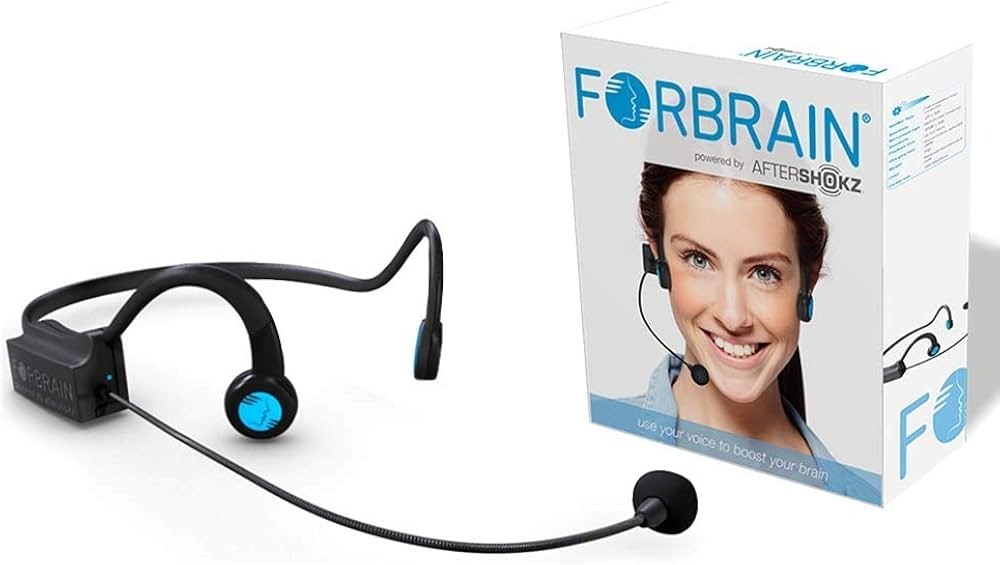
Forbrain isn’t a traditional set of in-ear monitors for singers. It’s an auditory feedback headset that helps you hear your own voice more clearly in real time. Singers often use it for better pitch perception or to self-monitor during practice.
While not an IEM you’d use on stage, its bone-conduction technology and dynamic filter make it a valuable training tool for singers who want better vocal control behind the scenes.
Key Features
- Bone-conduction transducers transmit your voice through your cranial bones, taking out the variable of the space around you.
- The patented dynamic filter boosts high frequencies while softening lower noise.
- Lightweight, comfortable design, great for daily practice sessions.
- Rechargeable design with simple plug-and-play use.
Clarity & Frequency Response
Forbrain works by emphasizing key vocal frequencies, making it easier to discern pitch more accurately. The dynamic filter reduces low-end noise to give more detail to the mid/high band (from around 800 Hz to 3 kHz), which is where the presence in our vocals lives.
Isolation & Stage Noise Control
Since Forbrain isn’t an in-ear monitor and doesn’t seal the ear, you won’t get the same noise isolation as traditional IEMs. Instead, it uses bone conduction that sends your voice directly to your brain via skeletal vibration.
Basically, it helps you rely less on external sound cues, which is super valuable for training, but not so much for stage monitoring.
Comfort and Wearability
Forbrain is very lightweight and comfortable for practice sessions. You could easily wear it for an hour at a time without feeling fatigued. With its open-ear design, you don’t get the same pressure buildup you might get from some earbuds.
Target Audience
- Singers and vocalists who want to improve their pitch awareness
- Vocal coaches and students working on auditory feedback training
- Performers who want clearer self-perception before investing in stage IEMs
Pricing
This headset typically ranges around $249 – $299 USD, making it a relatively mid-tier investment compared with high-end IEM systems.
Online Reviews & Reputation
The reviews surrounding Forbrain are generally positive. Real buyers have noted that it helps them better distinguish the different aspects of their voice. Others have noted that it helps them feel more in tune with their instruments when singing and playing, as they can hone in on specific harmonics.
Pros & Cons
| Pros | Cons |
| Enhances vocal clarity for training purposes | Not a true stage IEM, as there’s no isolation from performance noise |
| Bone-conduction technology provides immediate feedback | You have to practice with it consistently to reap the benefits |
| Lightweight and comfortable for practice sessions | Doesn’t replace professional in-ear stage monitoring |
Soundbrenner Wave – Best for Live Stage Performance
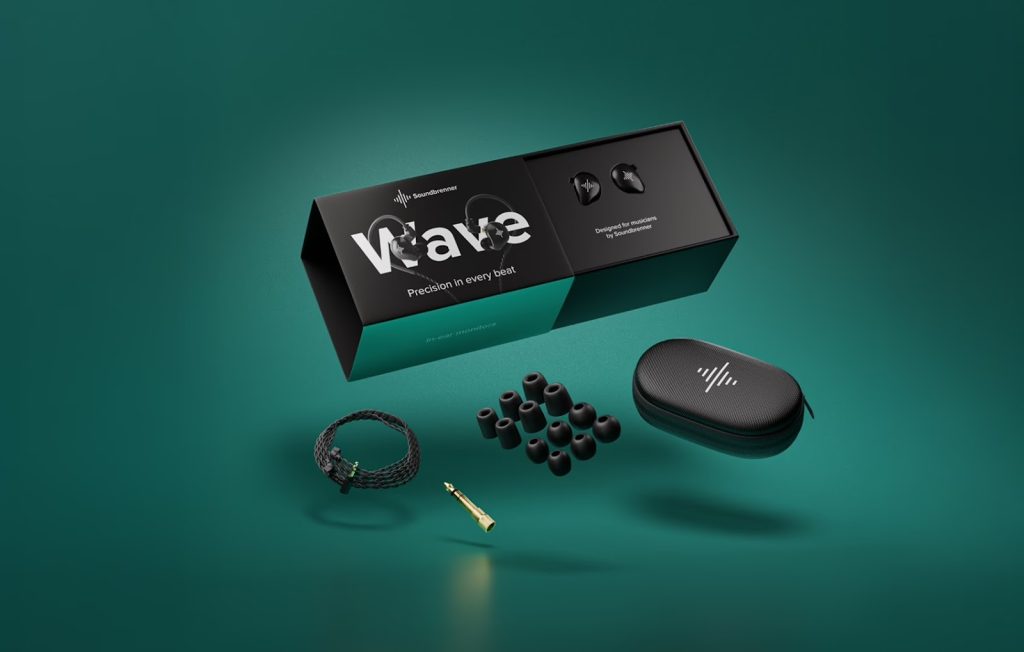
I first heard of Soundbrenner when they introduced the Pulse watch strap, which is a wearable metronome for musicians (mostly drummers). I had no idea they got into the IEM game until a singer friend of mine told me about them.
Nevertheless, I went into it pretty skeptical. A wired IEM from a metronome company felt like a novelty. However, after using them at a few rehearsals and live sessions, they’ve earned a permanent spot on my list of the best IEMs for singers.
Key Features
- 10 mm dual-magnet dynamic driver paired with a balanced armature tweeter
- Wired 3.5 mm connection with included ¼-inch adapter (true zero latency)
- Over-ear design with braided, detachable cable and gold-plated connectors
- Multiple foam and silicone ear tips for seal, comfort, and isolation
Clarity & Frequency Response
With a published frequency range of 20 Hz–20 kHz, the Soundbrenner Wave hits the entire human hearing range (allegedly). For vocals, however, that’s not important. What is important is the fact that it has a beautiful midrange that makes it easy to hear your voice over a loud band without anything sounding harsh.
Isolation & Stage Noise Control
The foam tips provide pretty effective isolation, cutting down room bleed enough that you don’t need to crank volume just to hear yourself. If you spend a lot of time in loud rehearsal spaces or on small bar stages, having isolation like this is super helpful.
Comfort and Wearability
Comfort is one of the Wave’s strongest talking points.
You get six tip options and a lightweight over-ear design that feels “seated” on the ear, even when you’re headbanging your way through long rehearsals. I’ve worn them through multi-hour performances without feeling fatigued near the end.
Target Audience
- Singers who perform regularly
- Musicians who use click tracks or backing tracks in their IEMs
- Performers upgrading from consumer earbuds or Bluetooth monitor
Pricing
The Soundbrenner Wave is typically priced at $179, though I’ve seen it go on sale pretty often.
Online Reviews & Reputation
You’ll see mostly positive reviews for the Soundbrenner Wave, especially among working musicians. Reddit users frequently note strong clarity and isolation for the price. Another user described the sound as closer to “near-field studio monitors.”
Pros & Cons
| Pros | Cons |
| True zero latency via wired connection | Not custom-molded |
| Strong isolation reduces need for high volume | Limited published measurement data compared to audiophile brands |
| Comfortable fit for long sessions | No cable slack adjuster |
| Clear mids suited for live monitoring | Bass response isn’t the best |
Etymotic ER2XR – Best for Small Ears
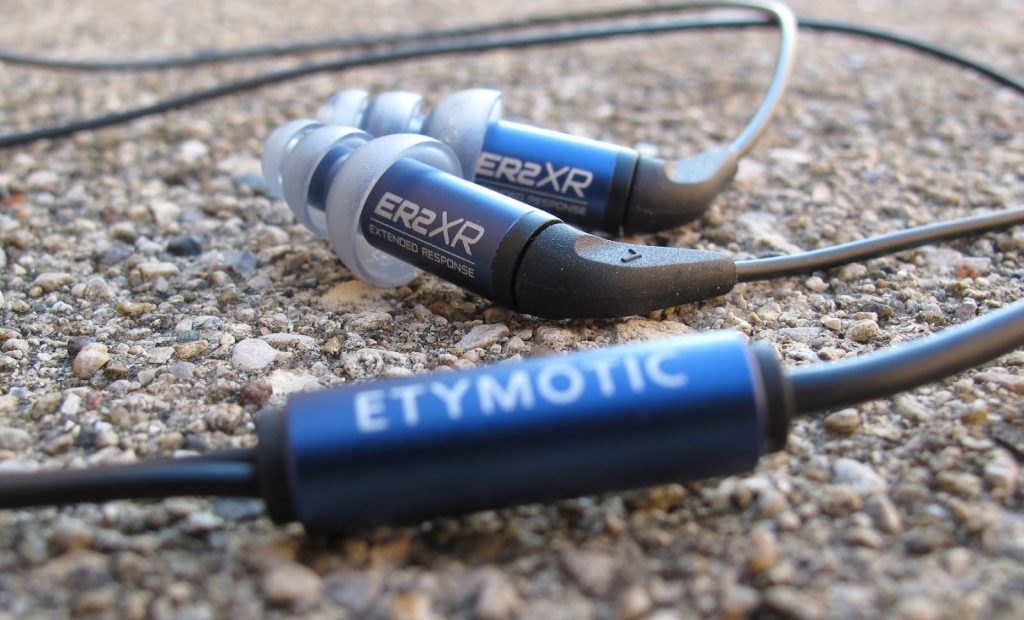
If you’ve ever tried in-ear monitors and couldn’t get a reliable seal because you have small ears, I highly recommend the ER2XR. Etymotic’s “deep-insertion design” might make you feel a bit squeamish as you read about it (it isn’t for everyone), but if you’ve struggled with IEMs in the past that didn’t fit, the payoff here is major. Plus, it’s they’re genuinely elite for the price.
Key Features
- Single dynamic driver with XR (Extended Response) tuning for a bit more low-end weight
- Frequency response listed at 20 Hz – 16 kHz
- Exceptional passive isolation
- Detachable MMCX cable (helpful for longevity, since cables are usually first to fail)
Clarity & Frequency Response
The ER2XR has a clean, neutral midrange, perfect for vocals. One thing I noticed after wearing these for a few sessions is that they aren’t hyped in any way, which is what many singers want. The “XR” tuning does give you a touch of bass, but overall, it’s pretty controlled and accurate.
Isolation & Stage Noise Control
Now, back to the ER2XR superpower, the deep insertion design. The ER2XR is frequently listed at 35–42 dB of passive attenuation, which is great for ultra-loud rehearsal spaces and venues. The tradeoff is that the fit is more “earplug-like,” so I’d recommend thinking about your tolerance for that style before making a decision.
Comfort and Wearability
For singers with small ears, the slim body is great. However, while some people might be able to wear Etymotics for long sessions comfortably, it’s also easy to see why others might find the fit intrusive and prefer a shallower-sealing IEM.
Target Audience
- Singers with narrow ear canals who struggle to get a consistent seal with typical universal IEMs
- Performers who don’t care about having a big “wide” soundstage
- Vocalists who want a more neutral reference-style monitor vs. a hyped one
Pricing
Typically around $139 (often fluctuates by retailer and promos).
Online Reviews & Reputation
People in the audio community often treat the ER2XR as a “best bang for the buck” pick, especially when it goes on sale. In one highly upvoted r/headphones thread, users call it “INSANELY good” for the price and specifically praise that the “tone and balance is spot on” and that “the isolation is second to none.”
Etymotics gets a lot of praise for its class-leading isolation in general, so you know you’re in good hands with the brand.
Pros & Cons
| Pros | Cons |
| Outstanding passive isolation for the price (great in loud rooms) | Deep insertion fit can feel intrusive for some users |
| Neutral-leaning mids for a clean sound | Frequency response tops out at 16 kHz on listed specs (less “air” than some designs) |
| Detachable MMCX cable helps long-term durability | Fit can be a dealbreaker if you prefer shallow-sealing IEMs |
Sennheiser IE 100 Pro – Best for Long-Term Comfort
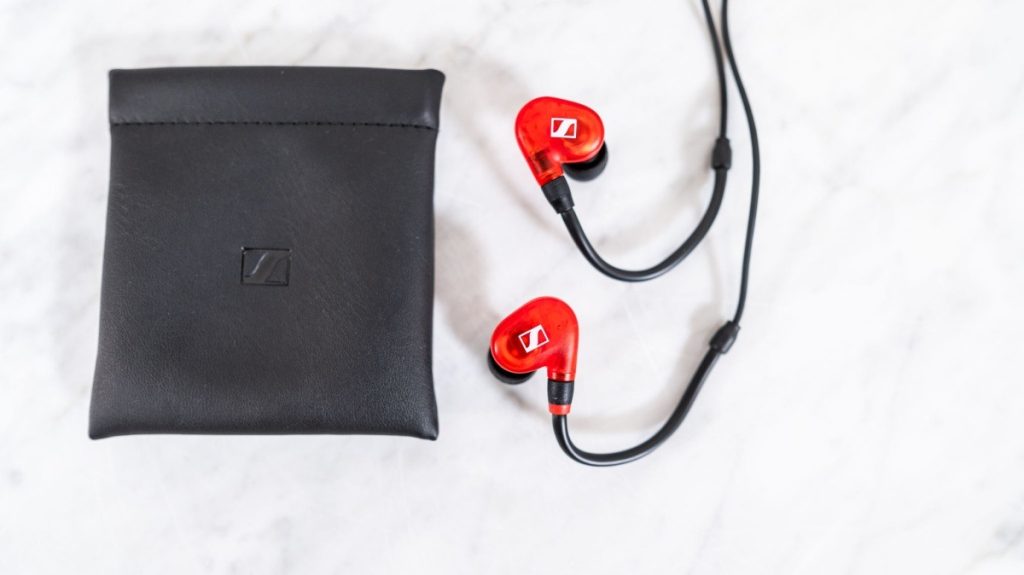
If you’re doing long rehearsals or multiple nights in a row, it’s important to have comfortable IEMs. The Sennheiser IE 100 Pros are one of the most comfortable in-ear monitors for singers for singers on the market.
Key Features
- Single dynamic driver with a balanced sound
- Wide frequency response of 20 Hz – 18 kHz
- Lightweight, low-profile shells designed for extended wear
- Detachable cable with locking connectors
Clarity & Frequency Response
The IE 100 Pros have a fairly flat, singer-friendly, midrange without sounding harsh in the upper mids. You get smooth highs as well, which I believe has a lot to do with how little fatigue you feel after wearing these for a while.
Isolation & Stage Noise Control
With up to 26 dB of passive attenuation, stage bleed isn’t an issue at all,, especially with the foam tips. While you don’t get as much isolation as the ER2XRs, it’s more than enough for your average live performance.
Comfort and Wearability
This is the number on reason I’d recommend these IEMs. They’re small, lightweight, and sit naturally in the ear. Unlike cheaper IEMs, they don’t create pressure points or over time, which is hard to argue against as an avid performer.
Target Audience
- Singers who perform or rehearse for long stretches
- Vocalists who prioritze comfort
- Performers looking for a reliable, budget-friendly IEM
Pricing
Typically priced under $100.
Online Reviews & Reputation
Sennheiser’s IE Pro line has a really solid reputation with working musicians. People consistently praise the IE series for comfort and natural vocal reproduction. Several people note that they’re easy to wear for long sessions as well. The only common downside I see people complain about is the lack of bass.
Pros & Cons
| Pros | Cons |
| Extremely comfortable for long rehearsals and gigs | Bass doesn’t extend as low as some competitors |
| Smooth high-end | Cable length may feel short for some setups |
| Lightweight, low-profile design | Soundstage is fairly average |
Ultimate Ears Pro UE Premier — Best for Professionals
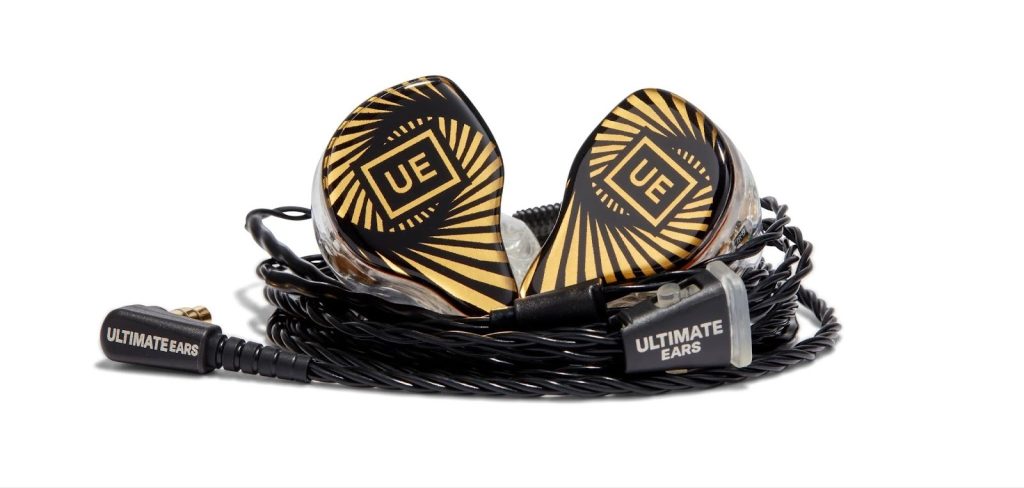
If you want the most “hear everything” experience money can buy from a custom in-ear monitor, the UE Premiers are the go-to choice. These are flagship IEMs made with insane resolution and separation.
Key Features
- 21 drivers per ear with a five-way passive crossover
- Ultra-wide stated frequency response: 5 Hz – 40 kHz
- Passive noise isolation listed around -26 dB (really strong for a custom fit)
- Custom-molded shells + detachable cable with UE Pro’s proprietary IPX67 connectors
Clarity & Frequency Response
This is why the UE Premier has such a great reputation. Reviews consistently highlight “immaculate separation” and the clear midrange for vocals, which is exactly what you want when you’re playing live of rehearsing.
Isolation & Stage Noise Control
Despite not having active noise canceling, the UE Premier’s seal has excellent passive isolation at around -26dB, so you don’t have to worry about stage bleed. UE also includes pressure-venting design elements to manage ear pressure and improve bass performance, which is helpful for long sets in loud environments.
Comfort and Wearability
These can definitely feel larger and snugger than some other customs, and I’ve heard people say they need an adjustment period before they “disappear” in your ears. Since they’re customs, fit is everything. Luckily, UE takes great impressions and offers follow-up support.
Target Audience
- Singers and touring performers who want the highest possible mix clarity
- Studio vocalists, engineers, and producers who want flagship-level detail
- People who prioritize long-term reliability and customer service
Pricing
Listed at $3,000 for the IEMs alone, and you’ll typically need ear impressions from an audiologist.
Online Reviews & Reputation
If you look at what most major reviewers of the best in-ear monitors for musicians have to say, such as WIRED, the UE Pros typically get a “high-water mark.” On user forums, it’s a slightly different story. While many people talk highly of the sound quality and customer support, there are also quite a few people who complain about the fact that the fit isn’t always perfect the first time around, which can be upsetting for the price.
Pros & Cons
| Pros | Cons |
| Absolutely top-tier separation and detail | Extremely expensive compared to every universal IEM on this list |
| Custom fit + strong passive isolation | Larger, snug fit can take time to get used to |
| 21-driver + 5-way crossover engineering is genuinely next-level | Requires impressions/scans and potential refit process if your first fit isn’t perfect |
What are In-Ear Monitors for Musicians?
In-ear monitors (IEMs) are ear-worn monitoring systems that provide singers with a custom in-ear mix. They pretty much replace traditional wedge monitors.
As a singer, that means you can hear your own voice more clearly, with less stage noise, and at safer volume levels.
Unlike standard earbuds, IEMs are made to be accurate and isolate your mix from the ambient mix in the room. Most IEMs used by musicians are wired as well to avoid latency and, unlike many cheap earbuds, are built to withstand repeated use.
Which IEM Is Right for You?
Before you do any deeper research, think about how, where, and how often you sing.
If you’re new to IEMs
Start with a comfortable, forgiving universal-fit model that has decent midrange clarity Getting a clean vocal image is the ultimate goal here.
If you perform live regularly
Isolation and reliability matter most. Look for wired IEMs with good passive noise reduction and detachable cables. You should be able to hear yourself sing without cranking the volume.
If comfort is your biggest concern
Look for IEMs with lightweight shells and multiple tip options. Without these, long rehearsals and gigs can feel all the longer.
If you struggle with fit or seal
Some ears just won’t work well with standard shapes. This is why deep-insertion designs and custom-molded IEMs exist. They can solve all of your seal issues and dramatically improve your isolation and consistency.
If you want to level up your singing offstage
Before spending thousands on top-tier IEMs, look at tools like Forbrain to help you improve your vocal awareness, pitch perception, and self-monitoring as you practice. This will make any IEM work better once you’re on stage.
Bottom Line
At the end of the day, there’s no single “best” set of in-ear monitors for singers, only the best one for where you are right now. Be intentional about your selection and pick the right tool based on your current problems, instead of the one with the best-looking spec sheet.
And remember that great monitoring starts with great awareness. When you can hear yourself clearly, you sing with more confidence and control.
That’s why pairing the right IEM with focused vocal training tools like Forbrain can be such a powerful combination.
