


Making Homeschool Speech Therapy Part of Your Routine
 Amanda Unrau
 M.A. CCC-SLP
07/14/26 | Last modified: 07/14/26
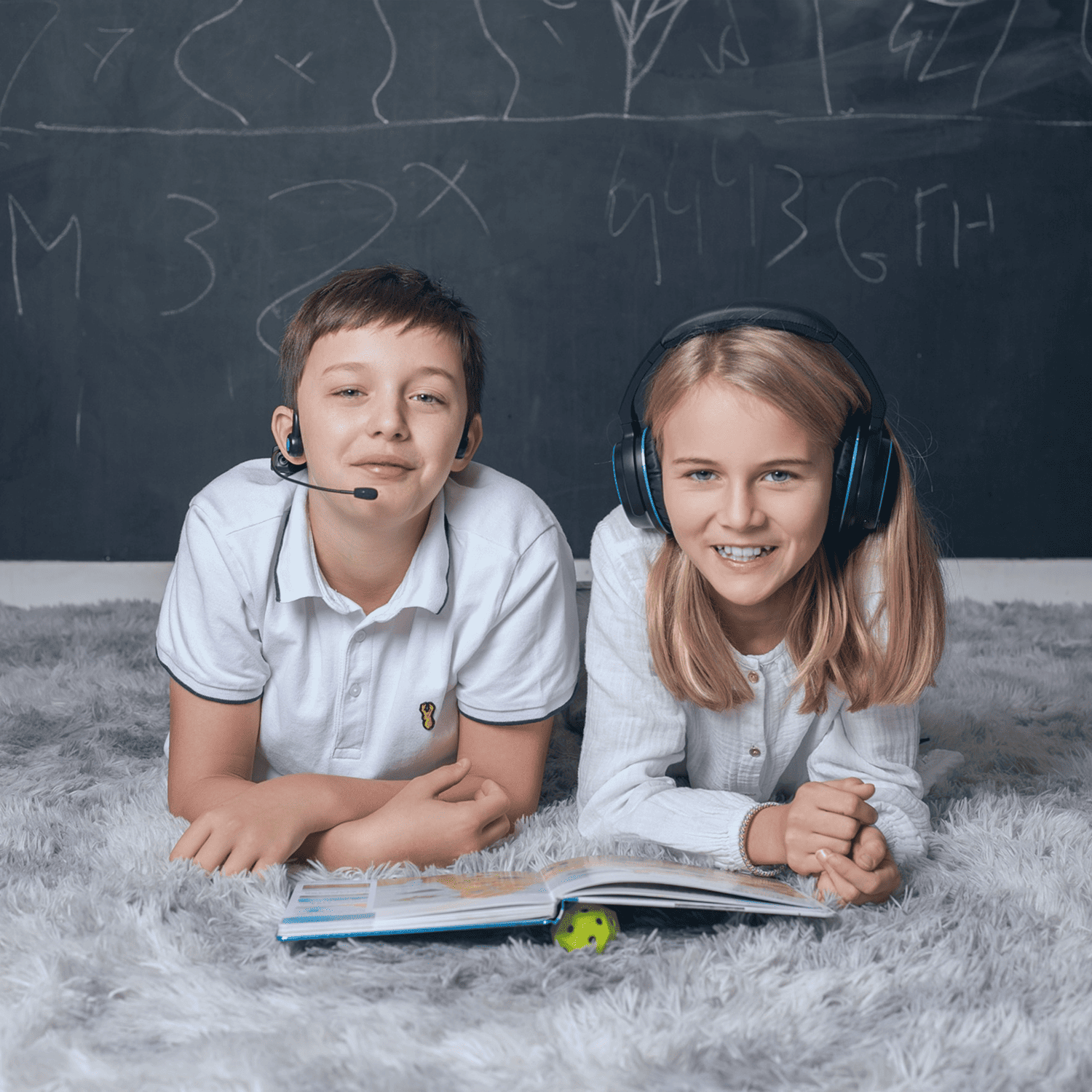
Many parents choose to homeschool their children because of the flexibility and freedom it gives them, but it can also make it harder to notice speech and language concerns without regular teacher input. Homeschooled children may still have needs that require speech therapy. Speech therapy can support articulation, language, fluency, social communication, listening and comprehension, and learning. Support is available and parents do not have to figure everything out alone. This support is available through public school services, private therapy, teletherapy, and home practice. This article will explain how homeschool speech therapy works, signs that your child may need help, service options, and practical strategies parents can use at home.
Can Homeschooled Children Get Speech Therapy?
Is speech therapy available for homeschoolers? Yes, homeschooled children can receive speech therapy. Access to speech therapy services depends on where a family lives and which service delivery method they choose, but there are several options available. Many families are able to request an evaluation through the public school district. Other families may use private speech therapy, teletherapy, or outpatient clinics. Laws and eligibility rules for services vary between states, so parents need to check local requirements.
What Is Homeschool Speech Therapy?
Homeschool speech therapy refers to speech therapy services for a homeschooled child. This may take various forms. Homeschool speech therapy can include online or in-person therapy with a licensed clinician that is scheduled around the homeschool routine. It can also refer to speech-language support built into the homeschool day. It may also include home practice that has been recommended by a speech-language pathologist. Homeschool speech therapy should support, but not replace, professional care when a child has a diagnosed or suspected speech or language disorder.
When Might a Homeschooled Child Need Speech Therapy?
Since parents are the teachers in the homeschool setting, they are the first ones who may notice that their child needs speech therapy. Parents may notice concerns during lessons, reading time, conversations, or daily routines.
Speech Sound Concerns
Parents may notice speech sound concerns, which is when their child has difficulty producing certain speech sounds correctly. Here are some signs to watch for:
- Difficulty saying age-expected sounds
- Frequent sound substitutions, omissions, additions, or distortions
- Frustration when they are unable to speak clearly
- Deletion of syllables in multisyllabic words
- Others have difficulty understanding them
Language Concerns
Language concerns may include both receptive language (understanding input) and expressive language (producing output). These are some example concerns:
- Difficulty following directions
- Trouble answering questions
- Poor reading comprehension
- Limited vocabulary
- Difficulty explaining ideas
- Continued grammar errors beyond age expectations
- Trouble retelling stories or ideas
- Speaks in short, simple sentences
- Difficulty understanding figurative and nonliteral language
Fluency Concerns
Parents may notice fluency concerns in the form of disfluencies, or instances of stuttering, in their child’s speech.
- Frequent stuttering
- Getting stuck on words
- Repeated sounds, syllables, or words
- Visible tension while speaking
- Body movements, such as head nodding, leg tapping, or fist clenching
- Facial grimaces, such as eye blinking or jaw tightening
- Unexpected sounds such as throat clearing
- Using fillers (“um,” “uh,” “like”)
- Avoiding speaking situations
Social Communication Concerns
When a child has difficulty with social communication, they struggle to use verbal and nonverbal language socially. Parents can watch for the following concerns:
- Difficulty initiating or joining a conversation
- Trouble taking turns in conversation
- Difficulty staying on topic during conversation
- Challenges understanding tone, humor, or body language
- Trouble communicating with peers
- Difficulty making inferences
- Unable to repair communication breakdowns
- Inability to adjust language and communication style based on the setting or conversation partner
- Difficulty forming and maintaining close friendships
Learning-Related Communication Concerns
Speech and language issues can impact a child’s ability to learn. It is important to watch for these concerns to help improve their learning ability.
- Difficulty with phonological awareness
- Difficulty adding new words to their vocabulary
- Trouble understanding spoken instructions
- Difficulty understanding and answering questions
- Weak listening and reading comprehension
- Difficulty learning words in songs or rhymes
- Reading, writing, or spelling struggles linked to language skills
How to Get Speech Therapy for a Homeschooled Child
When you notice some of these signs in your child and begin to think they may need speech therapy, you have several options to consider.
Start With a Speech and Language Evaluation
The first thing you should do is seek out a speech and language evaluation. An evaluation helps identify a child’s strengths and needs. A comprehensive assessment can look at any area of speech and language, including speech sounds, language, fluency, voice, social communication, and listening skills. To obtain an evaluation, parents can speak with their child’s pediatrician, local school district, private clinic, or speech-language pathologist for guidance.
Check Public School or District Options
Some homeschooled children may qualify for evaluations or speech-language services through the school system. Rules and eligibility vary by state and district. Services for homeschool students may not be the same frequency or intensity as what public school students receive. Parents should ask their local school district about eligibility for services, IEPs (Individualized Education Programs), service plans, and homeschool-specific rules.
Consider Private Speech Therapy
Private speech therapy is another great option for homeschool students. Private therapy is provided by a licensed speech-language pathologist in a clinic, hospital outpatient setting, or private practice. Insurance may cover some services, depending on the plan. Some private speech therapists may only accept private-pay patients. Private speech therapists may be able to work on a wider variety of needs and skills than those in a public school setting are able to.
Consider Online Speech Therapy
Teletherapy is an option that works well for homeschool families because scheduling is flexible. There are many benefits to choosing online speech therapy. It can reduce or eliminate travel time and provides access to speech services in areas where there may not be access to a local speech therapist. Teletherapy services can also allow therapy to fit naturally into the homeschool day. These services should still be provided by a qualified professional.
Benefits of Speech Therapy for Homeschoolers
Speech therapy offers many benefits to homeschoolers and their families, and can help students progress in their homeschooling. Below are some specific benefits of speech therapy for homeschoolers:
- Flexible scheduling
- Increased parent involvement
- Sessions can take place in the child’s natural environment
- Allows for practice during daily routines
- More natural connection between therapy goals and homeschool lessons
- Individualized support
- More opportunities for consistent home practice
- Easier to attend sessions more consistently
- Reduced stress for children who feel overwhelmed in traditional settings
Speech Therapy Activities for Homeschool Families
Homeschooled children who require speech therapy can practice at home. We have compiled a list of speech therapy homeschool activities, divided by area of need.
Speech Sound Practice Activities
These activities are for children working on improving their production of specific speech sounds.
- Mirror practice for mouth shape and tongue placement
- Sound sorting games
- Scavenger hunts targeting a specific speech sound
- Read short word lists containing the target sound
- Practice target sounds during daily routines
- Practice saying silly sentences and tongue twisters
- Highlight the target sound in reading passages
- Read books aloud containing the target sound
Language-Building Activities
Children who have delayed receptive or expressive language skills can use these activities to boost language.
- Practice following multi-step directions
- Use visuals for completing daily routines
- Practice describing objects by category, function, and features
- Retell a story after reading
- Fill in a venn diagram to compare and contrast items
- Work on expanding short sentences by adding details
- Ask and answer “wh” questions
- Make predictions and inferences about short stories
Listening and Comprehension Activities
Children can use these activities to improve their listening skills.
- Answer questions about stories and reading passages
- Use whole body listening for key details
- Repeat directions before starting a task
- Complete a graphic organizer to organize plot and details during a story
- Sequence story events using sequential terminology (first, next, then, last)
- Play auditory memory games, such as repeating a string of numbers
Fluency Support Activities
These fluency activities support children who stutter when they speak.
- Model slow and relaxed speech
- Practice pausing
- Read aloud at a comfortable pace
- Model stretching out sounds while speaking
- Reduce pressure during speaking
- Give the child enough time to respond
- Avoid rushing the child when speaking
Social Communication Activities
If a child struggles to communicate socially, use these ideas to target their social skills.
- Practice role-playing conversations
- Practice using greetings and turn-taking
- Practice asking and answering questions or adding comments to participate in dialogue
- Play emotion identification games
- Discuss characters’ feelings and motivations in books
- Learn to self-advocate by asking for help or clarification
- Interpret nonliteral language, figurative language, and sarcasm
- Interpret body language and gestures
Speech and Language Practice During Homeschool Lessons
Opportunities for speech and language practice can be integrated into most homeschool lessons. Here are several ideas:
- Expand sentences during cooking or crafts
- Practice requesting during snacks or games
- Label actions while completing daily routines
- Narrate the process of science experiments and make a hypothesis
- Explain math steps aloud
- Act out history lessons or books
- Create vocabulary notebooks for new content-specific words
- Give oral presentations to family
- Record short book reports
How to Build Speech Therapy Into Your Homeschool Routine
Speech therapy should be built into the homeschool day, not just added on. Instead of detracting from the school day, speech therapy is a foundation for learning. When integrated properly, speech therapy practice can actually simplify homeschooling. Keep these considerations in mind when weaving speech therapy into your homeschool routine.
- Practice in short frequent sessions
- Use daily routines instead of adding extra work
- Focus on one or two goals at a time
- Stay consistent
- Repeat practice activities multiple times
- Use games, books, movement, and real conversations
- Regularly participate in household tasks (e.g., laundry, grocery shopping, cooking, gardening, cleaning)
- Collaborate with the SLP and follow their recommendations if the child is in speech therapy
Homeschool Speech Therapy Schedule Example
To help parents visualize how to incorporate speech therapy into their homeschool day, we have provided a simple sample routine.
- Morning: 5-minute speech sound warm-up practice
- Reading time: make predictions while reading, ask/answer comprehension questions, practice retelling
- Lesson time: practice using vocabulary from the subject
- Break: movement, outside play, craft, or breathing activity
- Afternoon: 10-minute language game (e.g., picture description, I spy, vocabulary bingo, scavenger hunt)
- Daily routine: conversation role-play during meals, practice target words during chores
- Weekly: therapy session and parent check-in with SLP
Keep in mind that this is just an example of a schedule, and it should be modified to fit the specific needs of your child and your family. The schedule you create should be flexible since you will likely adjust it over time.
Common Challenges With Homeschool Speech Therapy
As with any addition to your homeschool routine, adding in speech therapy can present challenges. Thankfully these can be overcome with planning and support. Keep these in mind as you determine how to best integrate speech therapy into your homeschool day.
- Parents may not know what is age-appropriate, making it hard to identify concerns
- It can be hard to stay consistent at home
- Children may resist or avoid practice
- Parents may feel pressure to become the therapist, leading to tension in the relationship
- Parents may feel like it is one more thing to add to their busy day
- In-person services may be harder to access, depending on location
- Insurance or cost may be a concern
- Social communication practice may require extra thought and planning
- Families may set unrealistic goals
Tips for Parents Supporting Speech Therapy at Home
When supporting a child’s speech therapy at home, parents should consider the following suggestions:
- Do not correct every mistake; emphasize the positive
- Model the correct word or sound in your own speech
- Praise effort, not perfection
- Specifically identify what your child does well
- Keep regular practice sessions short and consistent
- Incorporate the child’s interests
- Practice during real routines and tasks
- Ask the SLP what to work on between sessions
- Keep track of small wins
- Avoid comparing your child to siblings or peers
- Seek professional support when concerns persist
- Include siblings and other family members in practice activities
When to Seek Professional Help
Parents should consider an evaluation if they notice any of the following:
- The child’s speech is hard to understand
- The child is frustrated by their communication skills
- Language skills seem behind (e.g., simple sentence structure, grammatical errors, limited vocabulary, poor comprehension)
- Stuttering is frequent or stressful and leads to communication avoidance
- The child struggles to follow directions or answer questions
- Social communication is difficult
- Speech or language issues affect learning
This article is educational and aims to provide information, but it does not offer a diagnosis. For a speech or language diagnosis, contact a licensed speech-language pathologist.
The Benefits of Using Forbrain for Homeschool Speech Therapy Support
Forbrain is an auditory stimulation tool that can complement homeschool speech therapy. It is a headset that can be worn by children during speech or language practice to provide auditory feedback. This feedback may improve attention and listening skills. When the child hears their own speech more clearly, it supports language learning, speech sound practice, and reading. It can be used during any homeschool speech and language routines. Forbrain is not a replacement for a SLP, but it can be used alongside professional speech therapy and home practice.
Bottom Line
Homeschooled children, like any children, can receive speech therapy. When parents notice speech or language concerns that persist, it is important to seek out a professional evaluation with a licensed speech-language pathologist. Parents may need to do some research to find out what is available in their area since service options vary by location. Parents can support their child’s progress through regular and consistent home practice. Incorporating homeschool speech therapy into daily routines makes it feel natural and can more easily lead to carryover.
References
ASHA (Accessed 2026, July 7). Learning Disabilities. American Speech-Language-Hearing Association. https://www.asha.org/public/speech/disorders/Learning-Disabilities/
ASHA. (Accessed 2026, July 6). Social Communication Disorder. American Speech-Language-Hearing Association. https://www.asha.org/Practice-Portal/Clinical-Topics/Social-Communication-Disorder/
ASHA. (Accessed 2026, July 6). Speech Sound Disorders – Articulation and Phonology. American Speech-Language-Hearing Association. https://www.asha.org/practice-portal/clinical-topics/articulation-and-phonology/?srsltid=AfmBOoqO8u-WL0XTtBnRkdFFTQJ-e8naky59zEnM7r1naKyMwdAtGI0a#collapse_2
ASHA. (Accessed 2026, July 6). Spoken Language Disorders. America Speech-Language-Hearing Association. https://www.asha.org/Practice-Portal/Clinical-Topics/Spoken-Language-Disorders/#collapse_2
ASHA. (Accessed 2026, July 6). Stuttering, Cluttering, and Fluency. America Speech-Language-Hearing Association. https://www.asha.org/practice-portal/clinical-topics/fluency-disorders/
Playful Paths Therapy. (Accessed 2026, July 7) How Speech Therapy Should Fit Into Your Homeschooling Routine. Playful Paths Speech Therapy. https://www.playfulpathstherapy.com/blog/speech-therapy-homeschool-routine