


Let’s get started
Read our advice on how to use Forbrain DAF for the first time, plus maximize your results with usage tips for everyone.

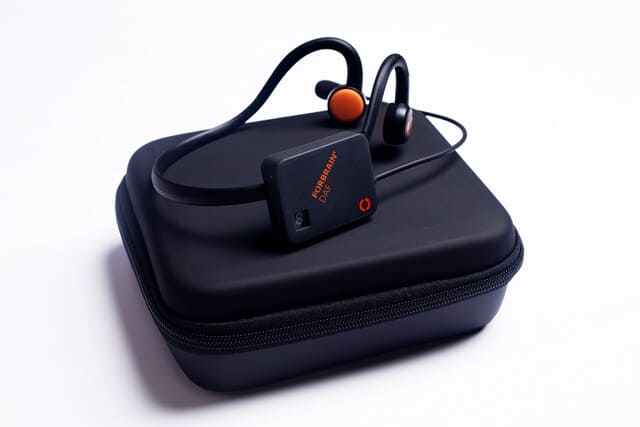
Get to know Forbrain DAF
HOW TO USE
HOW TO USE
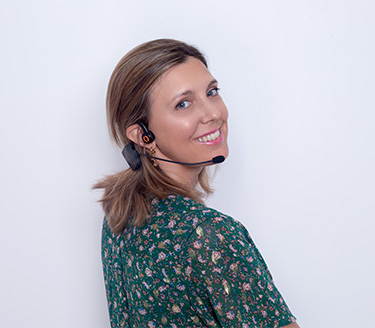
To use Forbrain DAF, place the headphones on and speak into the microphone with a normal volume as if you were talking to another person. There’s no need to make adjustments to the device because Forbrain suits all ages and head sizes.Once you’re accustomed to the sensations you’re ready to experiment during daily speaking activities.
How to wear the headset
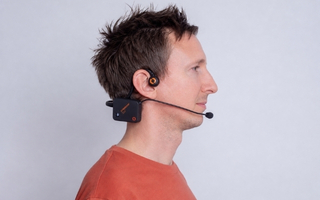

Forbrain DAF usage tips
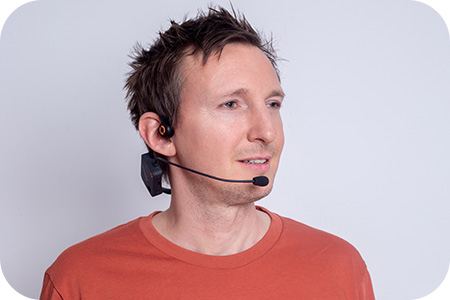
For adults and teenagers
Pick a place where you feel comfortable to practice, either sitting or walking around. Make sure the Forbrain DAF headphones fit snugly against your temporal bones.Avoid chewing gum, snacking, or traveling during sessions.

For children
Introduce Forbrain DAF at home, therapy, or class by putting the headphones on so the child can see how to wear it themselves.Place the child’s favorite toy or object in their hands to keep them distracted while it’s positioned on their head.You can pretend that the child is a singer or pilot as it can make them feel more engaged when wearing Forbrain DAF.
How to train with Forbrain DAF
Forbrain DAF for Stuttering

Read aloud at a comfortable pace while listening to your delayed voice. Focus on maintaining a steady rhythm and smooth speech rather than speaking quickly.
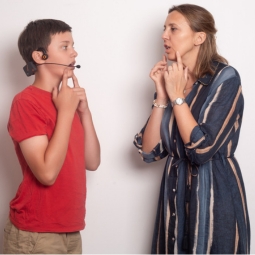
Practise short phrases, descriptions, or answers to everyday questions. Use the delayed feedback to develop a steadier speaking rhythm.

Use Forbrain DAF during relaxed conversations and practise maintaining a comfortable pace while speaking spontaneously.

Rehearse presentations, speeches, or situations where you want to speak with greater fluency and confidence.

To reduce fatigue and avoid becoming too accustomed to Delayed Auditory Feedback, we recommend 20-minute training sessions. Each session should last no longer than 45 minutes, with a break of at least 1 hour between sessions.
Forbrain DAF for Cluttering
Read aloud at a comfortable pace, using punctuation as a cue to pause. Focus on keeping your speech steady and each word clear.
Practise short phrases, descriptions, or answers while slowing down your speaking rate and maintaining a more consistent rhythm.
Use Forbrain DAF during relaxed conversations to become more aware of your speaking rate and practise pausing when your speech starts to speed up.
Rehearse presentations or longer speaking tasks while practising a controlled pace, clear phrasing, and well-placed pauses.
To reduce fatigue and avoid becoming too accustomed to Delayed Auditory Feedback, we recommend 20-minute training sessions. Each session should last no longer than 45 minutes, with a break of at least 1 hour between sessions.
Forbrain DAF for Fluency Challenges

Practise reading short passages at a comfortable pace while listening to your delayed voice. Focus on steady rhythm, clear phrasing, and natural pauses.
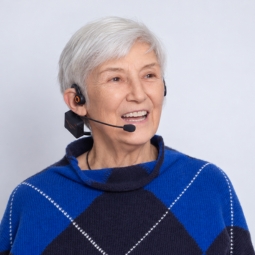
Practise words, sentences, descriptions, or longer responses while experimenting with different delay settings to find what feels most comfortable for your speech.
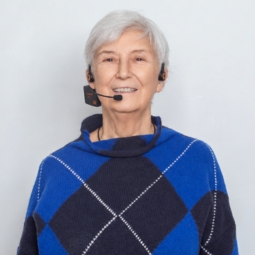
Use Forbrain DAF during relaxed conversations with a family member, therapist, or conversation partner to practise a comfortable pace and more consistent speech timing.
To reduce fatigue and avoid becoming too accustomed to Delayed Auditory Feedback, we recommend 20-minute training sessions. Each session should last no longer than 45 minutes, with a break of at least 1 hour between sessions.


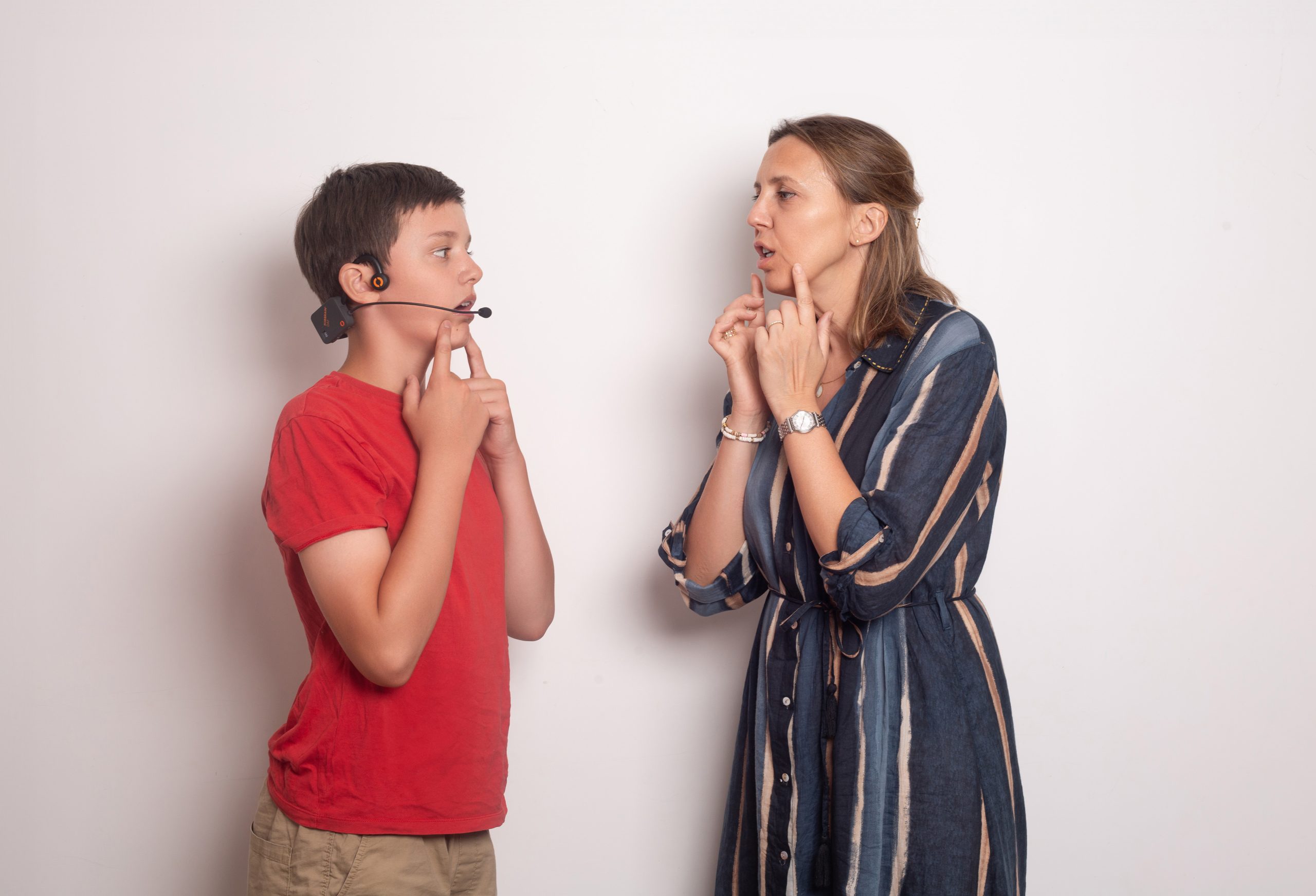

When you speak, you will hear your own voice through bone conduction with a slight delay. This delay may feel unusual at first: that is normal.
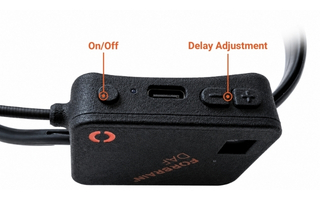
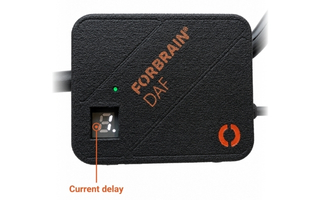
You can adjust the delay until you find the setting that feels most comfortable and effective for your speech practice. We recommend starting with Setting 4 (100 ms) and experimenting from there.
We recommend starting with Setting 4 (100 ms), the most commonly used delay.
Everyone responds differently to Delayed Auditory Feedback, so try different settings and choose the one that feels most comfortable for your speech. As your practice progresses, you may also wish to gradually reduce the delay.
You can use Forbrain DAF for activities such as reading aloud, speech practice, preparing presentations, singing, or everyday conversations.
There is no single exercise that works for everyone. If you are working with a speech-language professional, they may recommend activities adapted to your individual needs.
To reduce fatigue and avoid becoming too accustomed to Delayed Auditory Feedback, we recommend limiting each training session to approximately 45 minutes.
You do not need to use the device for the full 45 minutes. Start with a duration that feels comfortable and adjust your practice according to your needs.
Forbrain DAF includes an optional metronome that provides a regular rhythm while you speak.
To turn it on or off, press and hold the + button. When activated, a white dot appears in the bottom-right corner of the display. The metronome tempo automatically adjusts to the delay setting you have selected.
You can experiment with speaking or reading in rhythm with the metronome to see whether it helps your speech practice.
Yes. In addition to Delayed Auditory Feedback, Forbrain DAF uses the patented Dynamic Voice Filter, which modifies the way you hear certain frequencies in your own voice.
Depending on your voice and sensitivity, you may notice subtle changes in the sound while speaking. This is part of how the Dynamic Voice Filter operates.
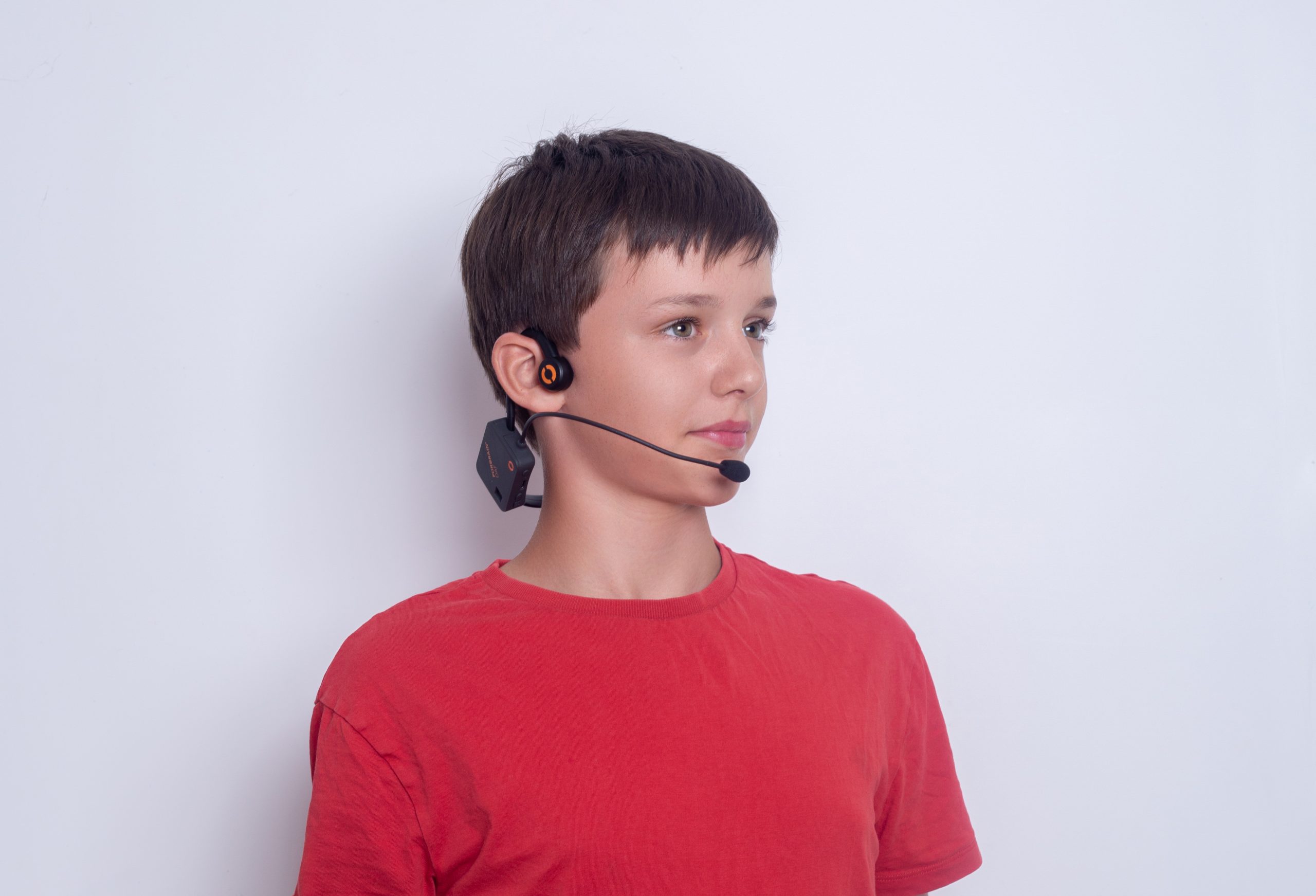
The headset is designed to be worn behind the head, with the bone-conduction transducers resting on the bone just in front of your ears.
The transducers should sit comfortably against the bone without covering or blocking your ears. Position the microphone close to your mouth so that your voice is picked up clearly.
Forbrain DAF is not suitable for children under 5 years of age.
Children aged 5 and above should use the device under adult supervision.
Forbrain DAF should not be used by people with cochlear implants, epilepsy, or severe hearing loss.
If you have a medical condition, hearing impairment, or any concerns about whether Forbrain DAF is appropriate for you, we recommend consulting a healthcare professional before use.
Yes. Setting 0 provides 0 ms of delay, while Setting 1 provides a very short 10 ms delay.
The Dynamic Voice Filter remains active at these settings, so Forbrain DAF can also be used for general voice and speech training without a noticeable delayed feedback effect.
No. Forbrain DAF is a speech training device. It is not intended to diagnose, treat, cure, or prevent any disease or medical condition.
Individual results may vary. If you experience discomfort, pain, or unusual symptoms while using the device, discontinue use and consult a healthcare professional if necessary.
