


12 Best Speech Therapy Apps to Enhance Communication Skills
Speech therapy makes a big difference in the lives of children with speech and language disorders. Children with speech or language disorders learn how to communicate... Read more.
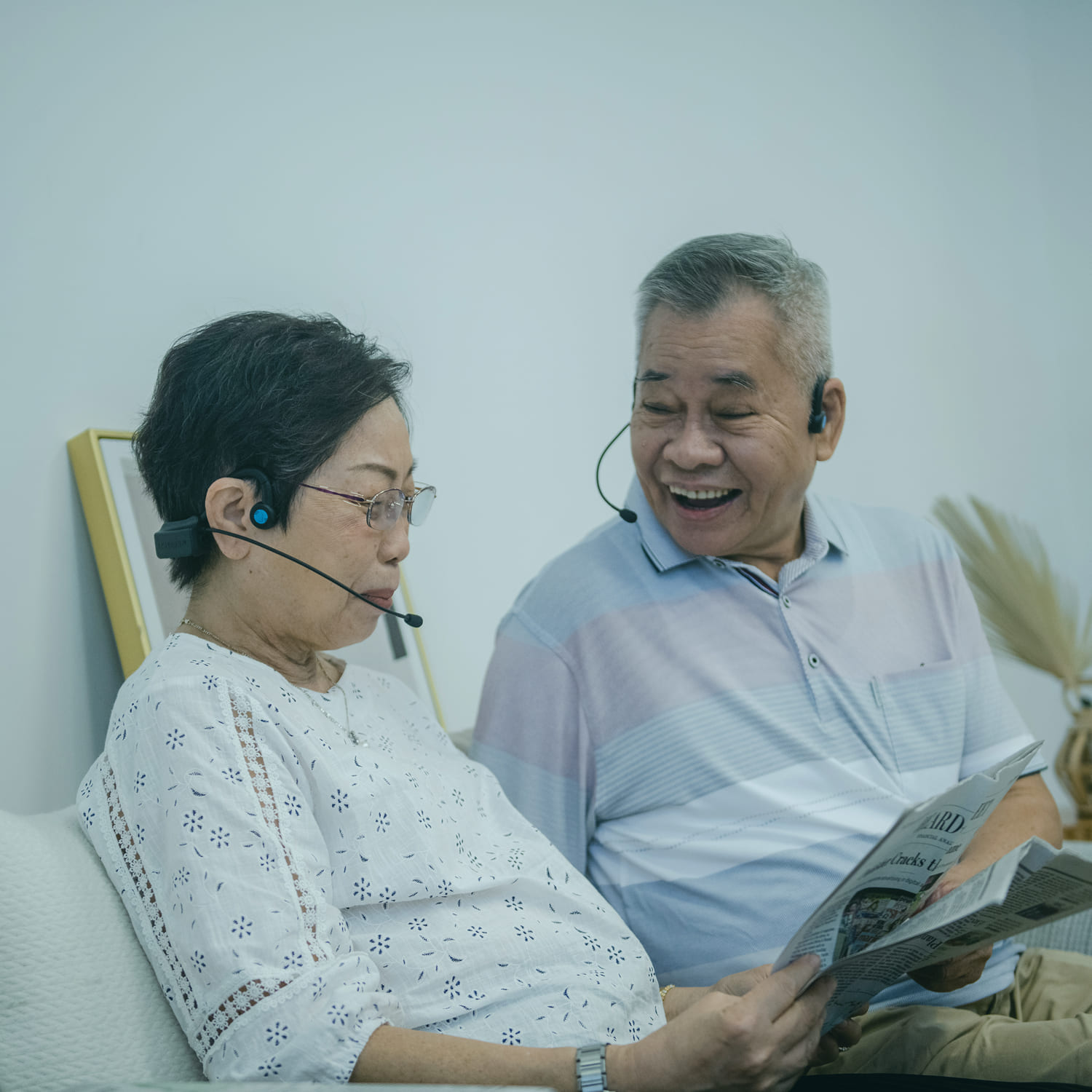
Language Processing Disorder vs Auditory Processing Disorder: The Difference
It is important to understand the difference between language processing disorder and auditory processing disorder because knowing the underlying weakness leads... Read more.

The Ultimate Auditory Processing Disorder Checklist for Parents
When considering the possibility of your child or student having auditory processing disorder, early assessment, identification, and intervention are key. The sooner... Read more.

How Does Auditory Processing Disorder Affect Learning?
Auditory processing disorder (APD) is a disorder that impacts the ability to process incoming auditory information, including speech. Because individuals with APD... Read more.

W Blend Words for Speech Therapy: Lists and Tips for Practice
/W/ blends are a type of consonant cluster or consonant blend because they are formed of two or more consonants (e.g., “twist,” “swim,” “dwell”). As... Read more.

L Blend Words for Speech Therapy Practice: Word Lists and Activities
Words such as “glow” and “blue” contain /l/ blends. /L/ blends consist of two or more consonants: /l/ and another consonant. For this reason /l/ blends are... Read more.

CH Words for Speech Therapy: Word Lists and Activities for Daily Practice
Unlike some of the easier sounds that are learned at a young age, /ch/ is a later developing sound. This means that it is typically one of the later sounds that... Read more.

G Words for Speech Therapy: Word Lists and Activities for Daily Practice
As children learn to talk in their first few years of life, /g/ is one of the first sounds learned. At the same time, it is not uncommon for children to have trouble... Read more.
Comprehensive T Words Resource for Speech Therapy: 150+ T Words
The /t/ sound is an early developing sound, meaning it is one of the first sounds children learn to say. Most children are able to produce /t/ by about two to four... Read more.
D Words for Speech Therapy: Lists and Engaging Activities for Practice
The /d/ sound is an early developing sound, meaning that it is learned and used at a young age. In fact, the reason that most babies say “dada” before they learn... Read more.